
Online cinema

Chanter plus fort que la mer

Guylaine Maroist
Située en bord de mer, Petite-Vallée est riche d’une matière première dont la cote est toujours à la hausse au Québec : la chanson. Dans le village, tout le monde chante. Et ce, depuis des lustres. Tout naturel qu’on a mis sur pied le Festival en chansons de Petite-Vallée, qui célébrait en 2002 son vingtième anniversaire. Chanter plus fort que la mer propose un voyage dans les racines de la musique québécoise. On plonge dans l’histoire de la famille LeBreux qui est à l’origine de l’essor musical de Petite-Vallée et de son festival. Depuis l’arrivée du violoneux Didier LeBreux au début du siècle, la musique s’est transmise de génération en génération. Malgré l’isolement et les drames de la vie, les LeBreux ont continué de chanter. Cette passion leur a fait surmonter les peines et s’est répandue dans tout le village. Aujourd’hui, le Festival en chansons de Petite-Vallée est un tremplin unique pour les jeunes auteurs, compositeurs et interprètes. On y a notamment découvert Daniel Boucher et Isabelle Boulay. Mais c’est aussi un lieu de formation et d’échanges. Dans le décor…
Je vous salue salope : La misogynie au temps du numérique
Guylaine Maroist
Léa Clermont-Dion
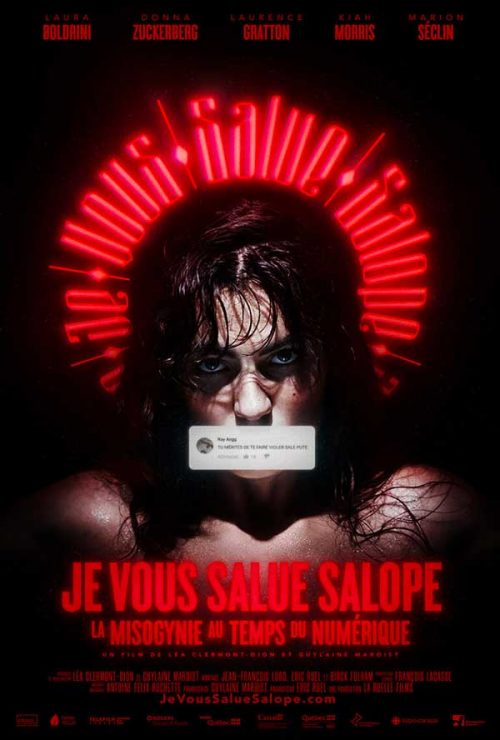
In fall 2017, the MeToo hashtag shook the planet, sparking an unprecedented wave of sexual assault accusations in the Western world. Now a storm of virulent misogyny rages on more than ever, flooding our screens with harassment, defamation, lynching, sextortion, the sharing of intimate photographs, rape and deaths threats. . . According to the UN, 73% of women are abused online. The feature-length documentary Backlash: Misogyny in the Digital Age follows four women and one man whose lives have been particularly affected by online violence: Laura Boldrini, the most harassed female politician in Italy; Kiah Morris, an African-American politician in the state of Vermont who resigned following severe harassment and threats from right-wing extremists; Marion Séclin, a French YouTuber who received more than 40,000 sexist messages, including rape and death threats; Laurence Gratton, a young teacher in Quebec who was harassed for more than five years by a former colleague; and Glen Canning, the father of Rehtaeh Parsons, a young girl who took her life after photos of her rape were spread online. What is it like to live with this so-called “virtual”…
Dites-moi, monsieur Jacquard

Carole Poliquin
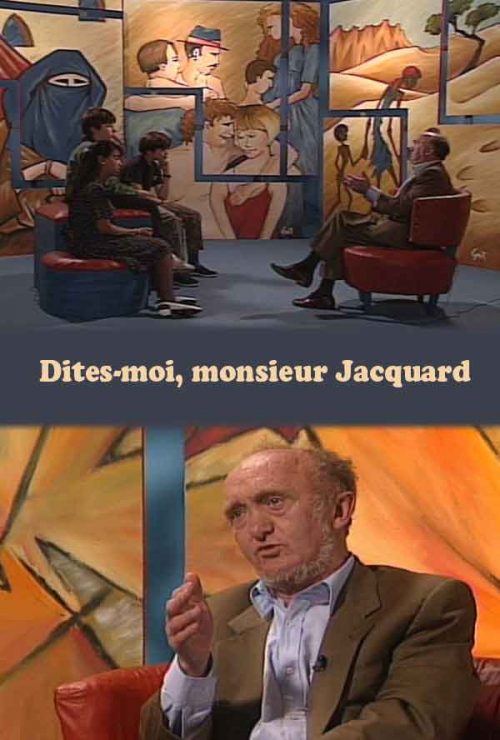
Le généticien et auteur Albert Jacquard répond aux questions d’enfants (primaire 2e cycle): la vie, l’amour, la mort, la guerre, la maladie, l’intelligence, la pollution, l’amitié, la différence, le big bang… Pour écouter avec vos enfants et discuter avec eux de ces grandes questions.
La traversée
Ève Saint-Louis
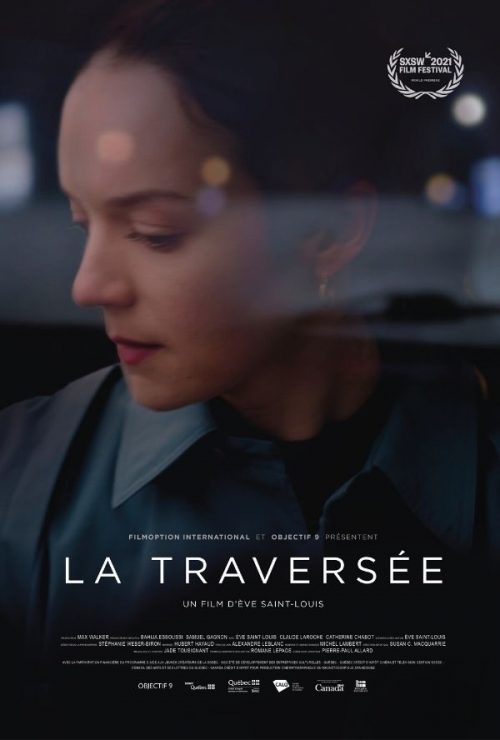
After a year away from home, Chantale, who now lives and studies in Paris, returns to Québec City, to spend the Holidays with her mother and sister. Against all odds, her father, with whom she has a contentious relationship, has offered to pick her up at the airport and drive her there. Hesitant about seeing him again, she accepts his offer nonetheless.

Noémie dit oui
Geneviève Albert
Noémie (15) has been living in a youth center for three years. When she loses all hope of being taken back by her mother, Noémie runs away in search of freedom and meaning. She joins her friend Léa, a former resident of the centre, who introduces her to her troubled group of friends. Soon after, she falls for Zach who asks her to be an escort for a special weekend.
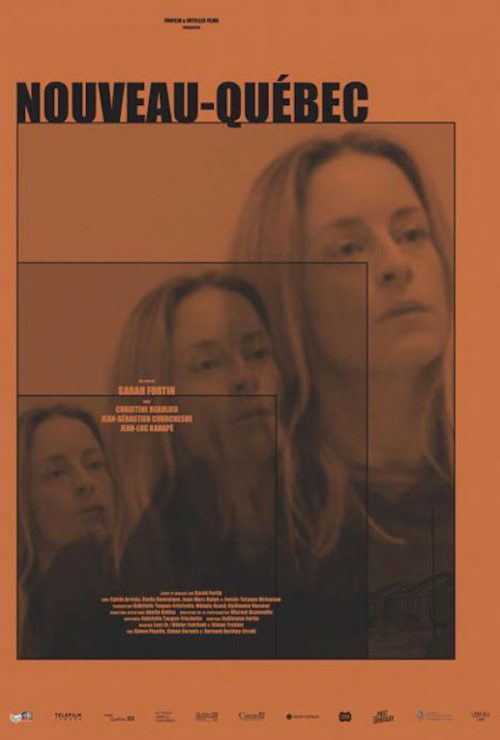
Nouveau-Québec
Sarah Fortin
As they make their way to Schefferville, an isolated village in Northern Quebec, to settle the sale of a cottage, Sophie and Mathieu unwittingly find themselves facing a grave and unexpected situation. While a police investigation struggles to get underway, plagued by limited local resources, the couple is forced to stay put longer than anticipated. They find themselves cut off from the rest of the world, grappling with the local indigenous reality for perhaps the very first time. The couple then sees its relationship put to the test, as they each take an opposite approach to their predicament, in this chamber drama of wide open spaces.
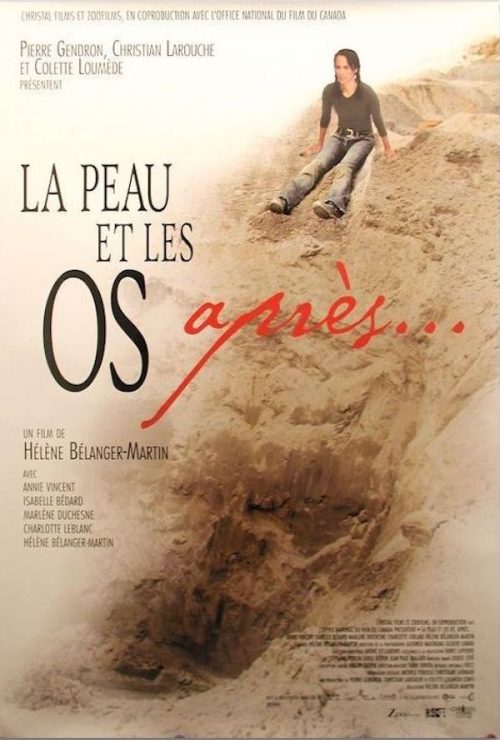
La peau et les os, après
Hélène Bélanger-Martin
Documentaire percutant sur les troubles alimentaires dont on comprend mal l’ampleur stupéfiante et les causes complexes. La peau et les os – après… propose une réflexion étoffée sur ce mal-être qui frappe plus que jamais. Le film met en vedette Annie, Isabelle, Marlène, Hélène et la jeune Charlotte, 17 ans, qui ont accepté de revivre ces périodes de détresse. Un « cancer de l’âme » qui tue plus que toute autre maladie mentale.
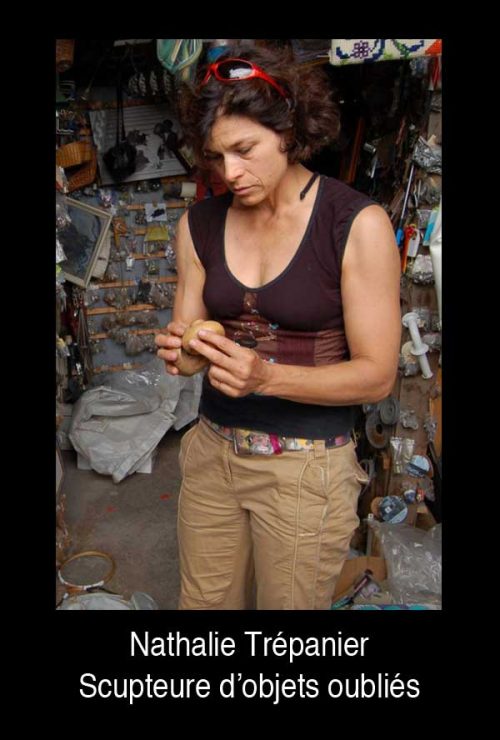
Nathalie Trépanier, sculpteure d’objets oubliés
Hélène Bélanger-Martin
Flea markets, scrapyards, the bottom of the river, the artist Nathalie Trépanier leads us, with her, in the search for abandoned objects that will be used to create her sculptures. This journey, as surprising as it is refreshing, culminates in the studio where, patiently, the artist assembles all these objects, thus giving birth to playful and endearing characters.
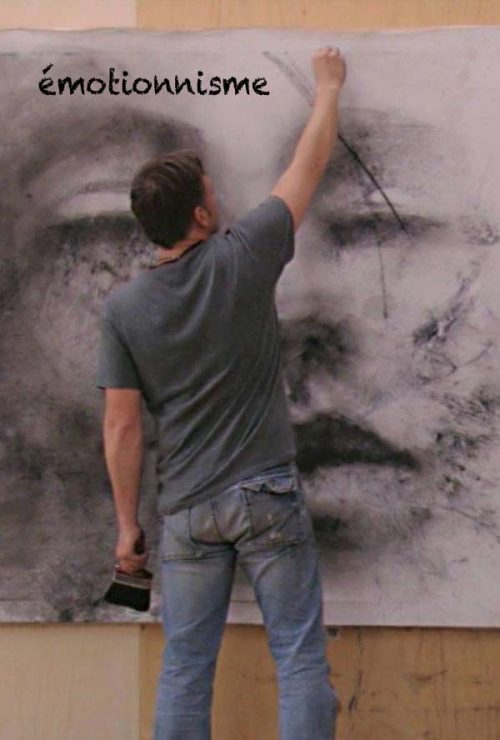
Émotionnisme
Hélène Bélanger-Martin
Literally becoming one with his canvas, the painter André Desjardins embarks on the creation of a large format painting. It all starts with a powder of pigment projected randomly on the canvas. Then, drawing inspiration from the shapes and textures thus created, the artist gives birth to a human face that seems to want to emerge from the painting.
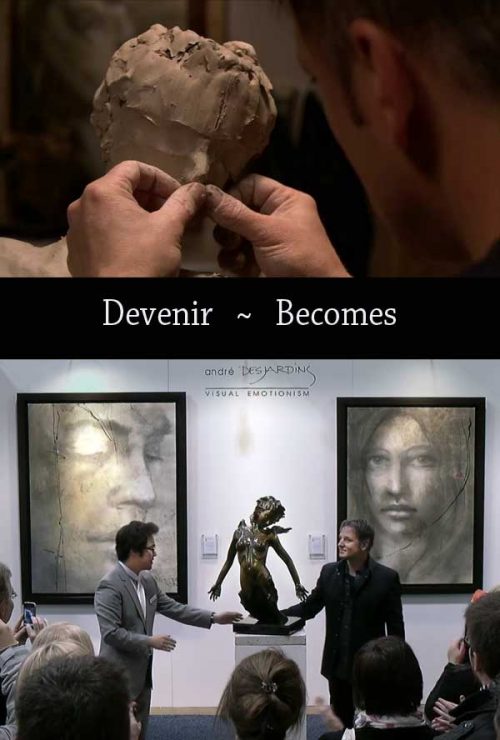
Devenir
Hélène Bélanger-Martin
Under the direction of Hélène Bélanger-Martin, a film crew took up residence in painter and sculptor André Desjardins’ studio from December 2010 to January 2011. The film immortalises the birth of a sculpture, from idea to final work.
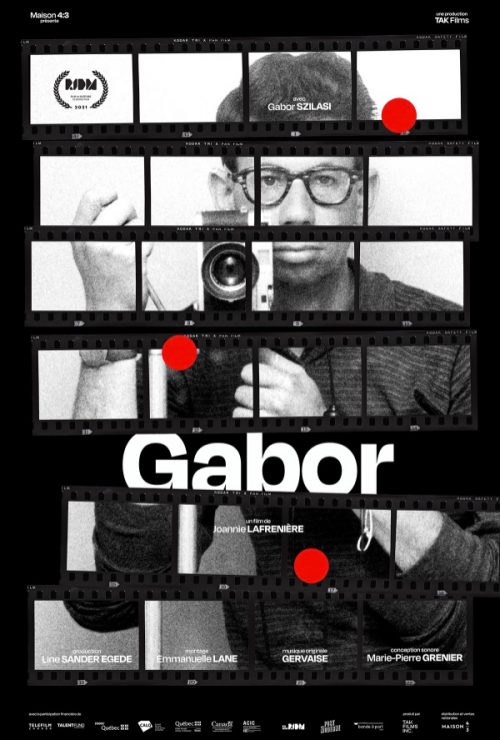
Gabor
Joannie Lafrenière
Gabor is a quirky, feel-good portrait of Gabor Szilasi, the 94-year-old giant of Canadian contemporary photography. It is an uplifting immigrant story and an inspiring lesson on how to grow old with elegance and dignity.
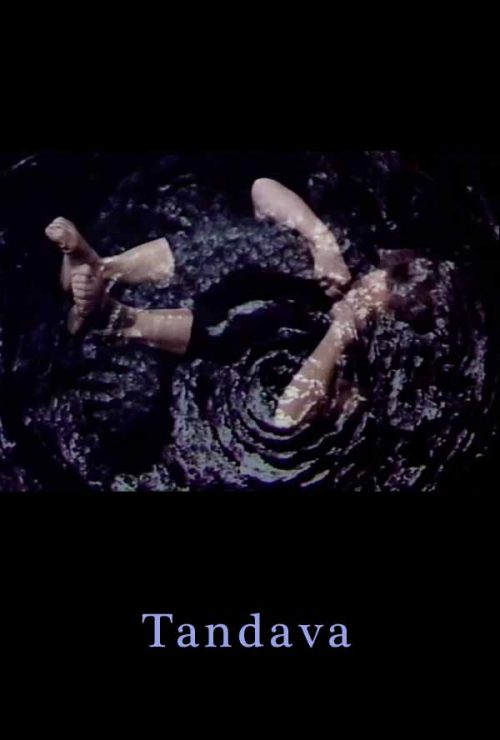
Tandava
Anne Barth
Une danse, mouvement de destruction et de création, un chemin vers la délivrance.
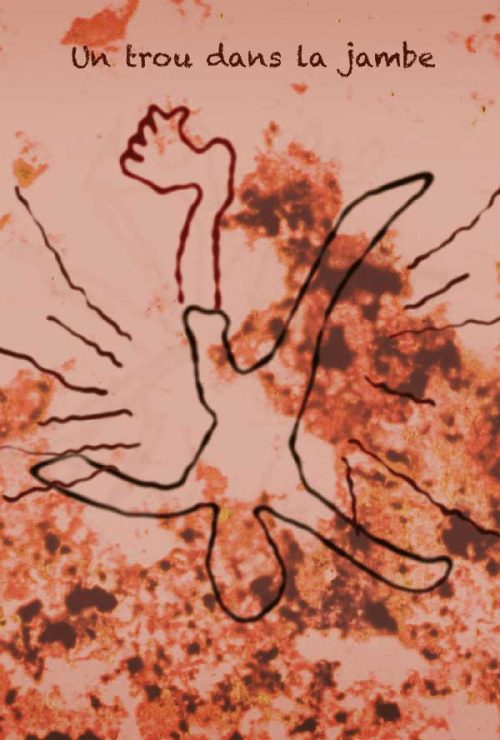
Un trou dans la jambe
Martine Asselin
Geneviève has a hole in her leg. She reveals the story in this short animated documentary. On the theme of resilience, Un trou dans la jambe uses mixed techniques in an experimental animated flashback with a rich, evocative soundtrack.

Que les choses changent
Martine Asselin
Voulant se rappeler un peu de sa vie «avant-bébés», la réalisatrice fait un voyage en Chine. Mais au lieu d’apprécier pleinement l’expérience, elle se rend compte à quel point elle a changé.
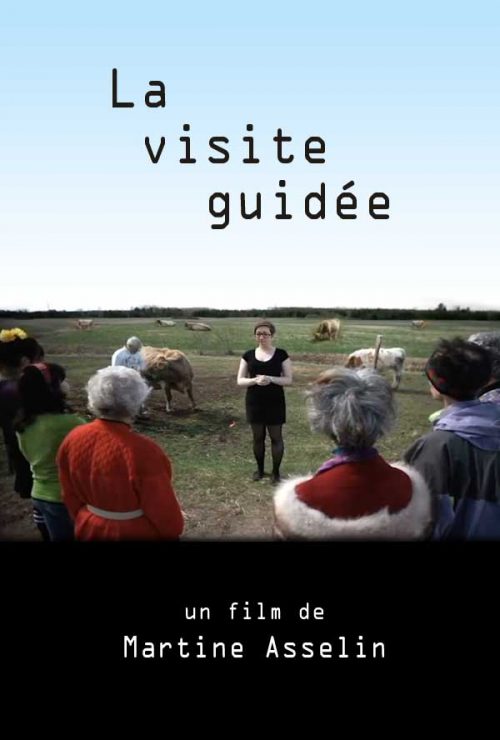
La visite guidée
Martine Asselin
Quelque part dans le futur, un groupe de touristes fait une visite des plus instructives. De la science-fiction à saveur environnementale.

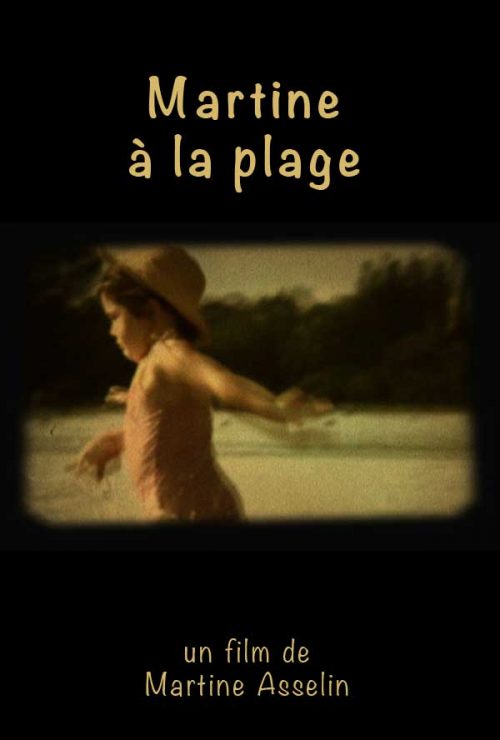
Martine à la plage
Martine Asselin
En revisitant ses souvenirs d’enfance, une femme s’interroge sur la maternité. Avec comme point de départ des vacances à la plage, réflexions faites autour des relations parents-enfants. La réalité de trois femmes différentes constituent le matériau de cette expérimentation documentaire: il s’agit d’abord d’une adaptation du texte de Évelyne de la Chenelière, réinterprété visuellement par l’utilisation d’archives des années ‘50 appartenant à une seconde femme qui a vécu la même situation lorsqu’elle était enfant, au moment du tournage des images. Le tout mixé à des images contemporaines d’une journée passé à la plage par la réalisatrice – qui s’appelle aussi Martine – et sa famille.
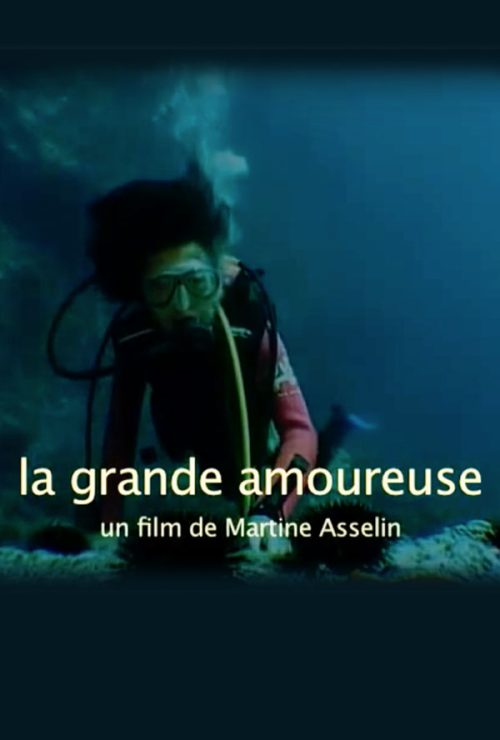
La grande amoureuse
Martine Asselin
Why is it better to love one person than many? That’s the question posed by Françoise Simpère, French author and journalist. Married for over 30 years and the mother of two children, she has decided that it is possible to love in the plural. The film follows her reflections on love, life and the beauty of encounters. Resolutely out of the ordinary, “but completely normal”, Françoise shares her life and makes us think.
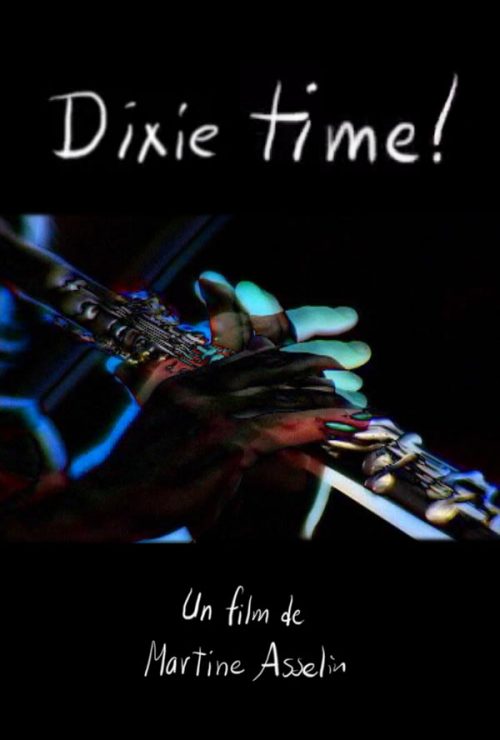
Dixie Time!
Martine Asselin
Petit moment musical festif au Festival du Jazz de Montréal. Cette oeuvre a été produite pour l’émission Impression Jazz, produite par Amérimage-Spectra, dont elle constituait un segment. Martine Asselin y avait été invitée comme «artiste en résidence» pour produire une oeuvre lors du Festival de Jazz édition 2007.
Jennifer en 3 temps
Martine Asselin
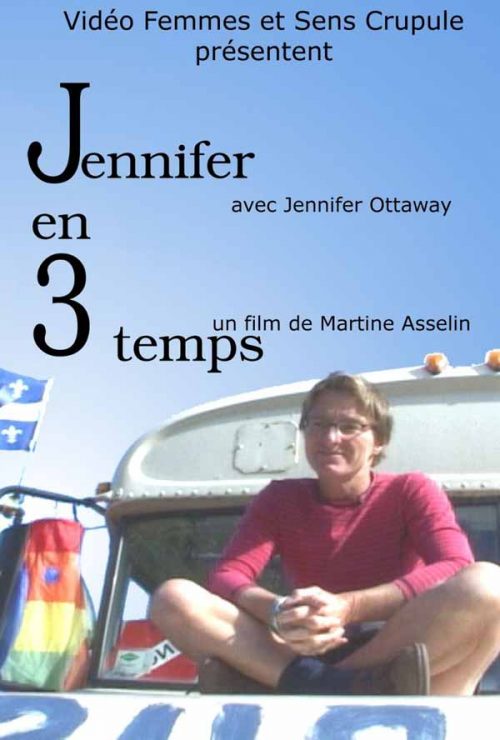
Au début de l’histoire, Jennifer a 48 ans. Elle arrive de Guelph, en Ontario. Des problèmes familiaux l’ont forcée à quitter son foyer. Propriétaire de nombreux biens immobiliers, elle devient du jour au lendemain sans-abri. Elle habite un vieil autobus sur l’Île d’Orléans. Au fil du temps, pinceaux à la main et armée de sagesse, elle poursuit son parcours surprenant. Trois moments dans l’histoire d’une femme qui a su ne pas se laisser chavirer par les remous de la vie.
Petite histoire de métro
Martine Asselin
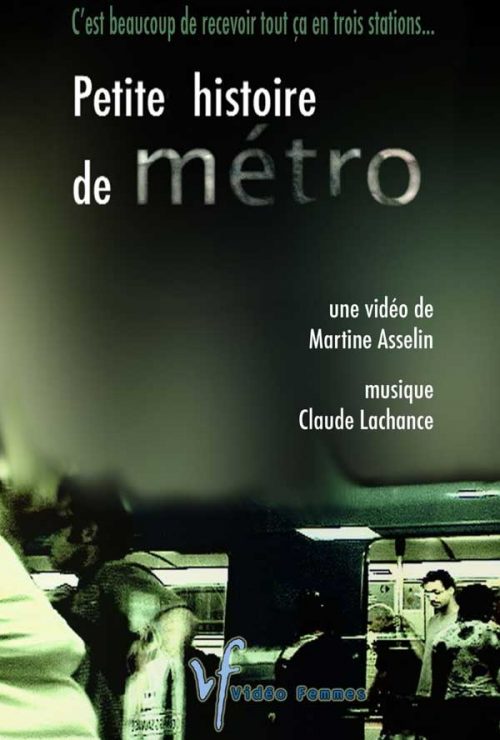
C’est la Fête des Pères. J’attends le métro. Je suis là, debout comme tout le monde, quand tout à coup arrive un homme, inconnu.