

Online cinema
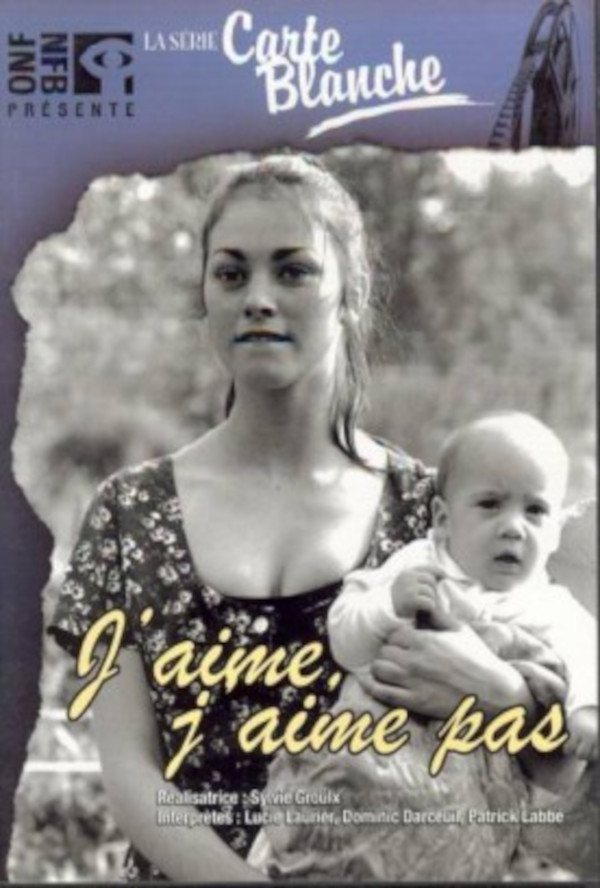
J’aime, j’aime pas

Sylvie Groulx
Seventeen-year-old Winnifred drifts through the urban margins with her baby, Maximilien, building a fragile life after the child’s father, Bruno, disappears overseas. Surviving by posing as a model for art classes, she catches the attention of Thomas, a film student who secretly begins documenting her life before inviting her to star in his project. As their collaboration deepens into an intense and uncertain romance, the boundaries between reality and fiction begin to blur. But when Bruno suddenly reappears, determined to win her back, Winnie is forced to confront the emotional terrain she has been avoiding. At a crossroads between past love and an unknown future, she must decide what kind of life she is willing to claim.
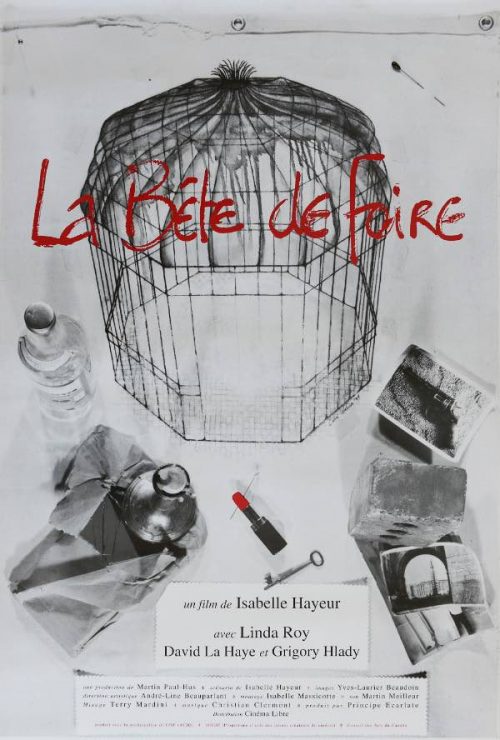
La Bête de foire
Isabelle Hayeur
Irène vit dans sa cage, Grégoire habite l’appartement. Les barreaux de fer constituent la condition de leur amour et sa limite. Grégoire est le sosie de Tania, femme décédée de son patron russe lors du siège de la ville rouge. Irène, hantée par Tania, saura-t-elle contrer la reproduction d’événements tragiques?
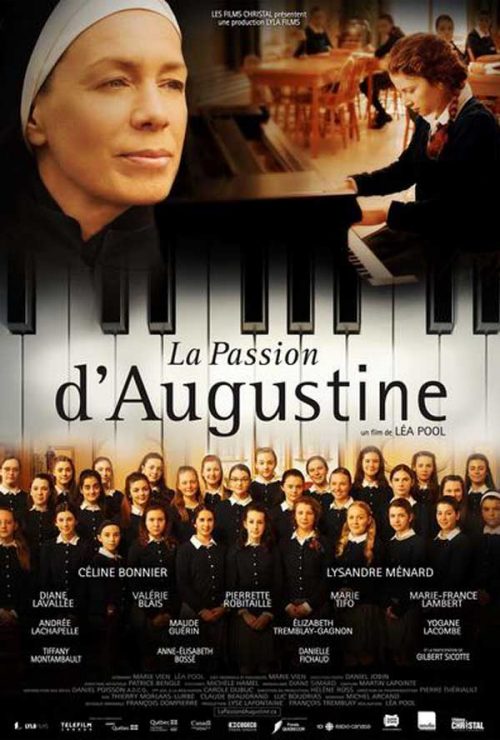
La Passion d’Augustine

Léa Pool
Dans les années 1960 au Québec, Mère Augustine dirige un couvent catholique québécois qui abrite une école de jeunes filles. Passionnée de musique, elle a donné aux cours de musique une grande place dans l’enseignement des pensionnaires. Le calme du pensionnat est soudainement brisé par l’arrivée en cours d’année de la nièce de Mère Augustine, Alice Champagne, une pianiste brillante mais une élève turbulente. Et, pour ne rien arranger, le pensionnat est menacé par l’ouverture au Québec de nombreuses écoles publiques gratuites. Mais les sœurs ne comptent pas rester oisives face à la situation…
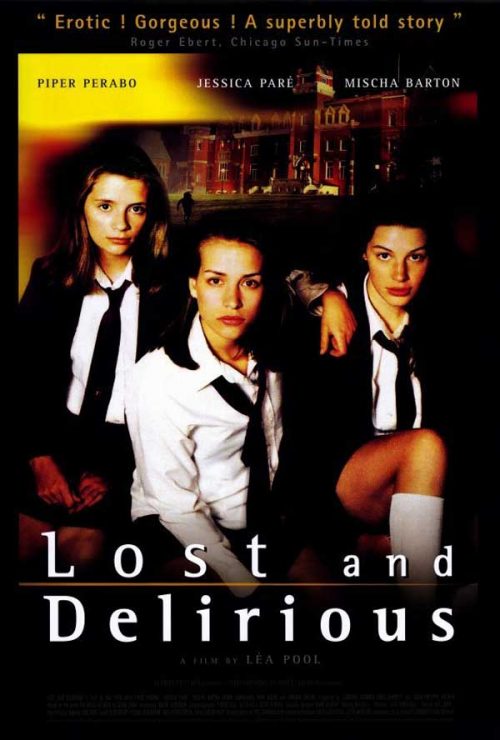
Lost and Delirious
Léa Pool
In a posh private college, three young girls discover love and friendship in dramatic circumstances. Drama shot in the Eastern Townships of Quebec, this film expresses the inner torment of teenage girls in full discovery of their sexuality.
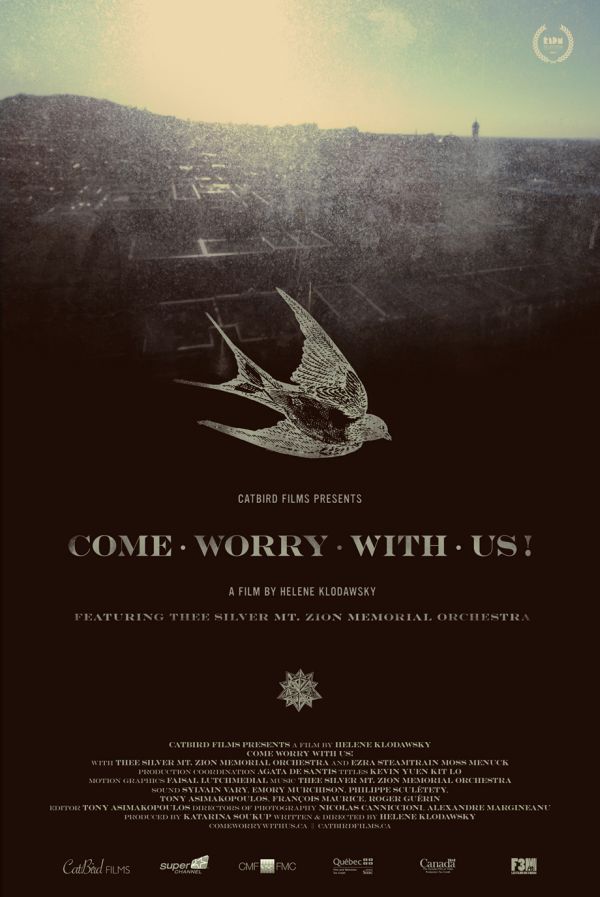
Come worry with us!
Helene Klodawsky
Violinist Jessica Moss and singer/guitarist Efrim Menuck are struggling to balance parenthood with making music in their internationally acclaimed Montreal-based band Thee Silver Mt. Zion Memorial Orchestra. They are one of a growing number of bands to have accepted an infant (Efrim and Jessica’s son, Ezra) into their touring life. Making a living has never been more difficult for musicians: a downloading generation has shattered the economics of the music industry, and constant touring has become synonymous with economic survival. Touring with children is both costly and complicated, yet Jessica and Efrim, and fellow band mates Sophie Trudeau, Thierry Amar and Dave Payant, are determined to combine family life and being on the road with the band’s deep political commitment. As SMZ perseveres in making art and an honest living, we follow Jessica as she discovers the parallel path that mothers can find themselves on while attempting to pursue artistic endeavours along side their peers. Against a backdrop of intense competition and rapid technological change, where corporatization of the cultural industries is challenging the very notion of freedom, and where…
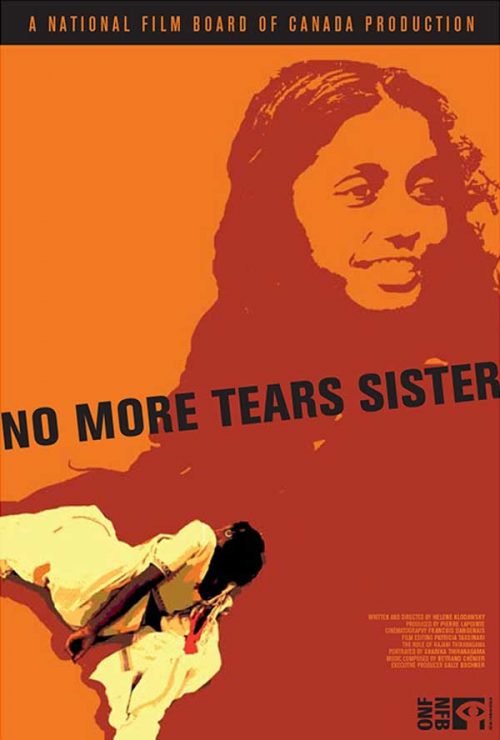
No More Tears Sister: Anatomy of Hope and Betrayal
Helene Klodawsky
A story of love, revolution, and betrayal, No More Tears Sister explores the price of truth in times of war. Set during the violent ethnic conflict that has enveloped Sri Lanka over decades, the documentary recreates the courageous and vibrant life of renowned human rights activist, Dr. Rajani Thiranagama. Mother, anatomy professor, and symbol of hope, Rajani was assassinated at the age of thirty-five. Stunningly photographed, using rare archival footage, intimate correspondence and poetic recreations, the story of Rajani and her family delves into rarely explored themes – revolutionary women and their dangerous pursuit of justice.
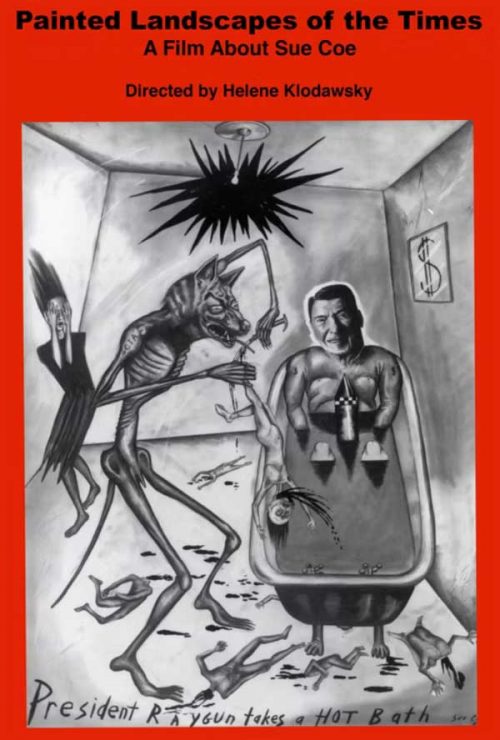
Painted Landscapes of the Times – A Film About Sue Coe
Helene Klodawsky
To this day, Sue Coe continues to shock and inform the art establishment with her graphic depictions of the world around her. This energetic and moving film introduces Coe’s passionate art and explores her vision. Produced early in her career, it remains the only film on her work. In the tradition of Käthe Kollwitz, George Grosz, and Otto Dix, Coe’s visual journalism has a keen ideological thrust that identifies and addresses aberrations in our society. With a fierce precision Coe uncovers the base violence inherent in a range of political and social issues – from apartheid and the arms industry, to rape and gentrification. Yet, as the film reveals in a spirited exchange between the artist and young people, Coe’s work is accessible to everyone. Painted Landscapes of the Times features one of Coe’s most memorable works; “Woman Walks into Bar — Is Raped by Four Men on the Pool Table — While 20 Watch”. First exhibited at P.P.O.W. Gallery in 1983, this powerful and prescient painting now belongs to the Museum of Modern Art.
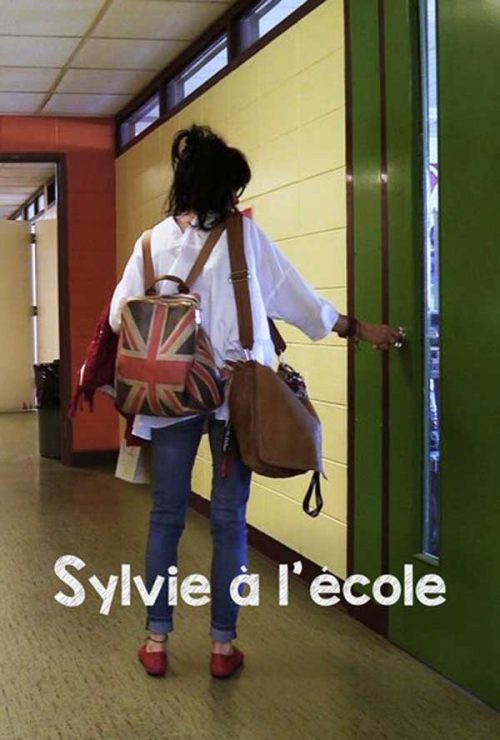
Sylvie à l’école
Carole Laganière
Sylvie Giroux n’a pas eu d’enfants. Mais à tous les ans, de septembre à juin, sa vie s’enrichit d’une dizaine d’adolescents de 16 à 21 ans. Des jeunes autistes, des jeunes qui souffrent d’anxiété sévère ou de déficience intellectuelle. Sylvie est l’enseignante de cette classe un peu particulière qui la comble de bonheur.
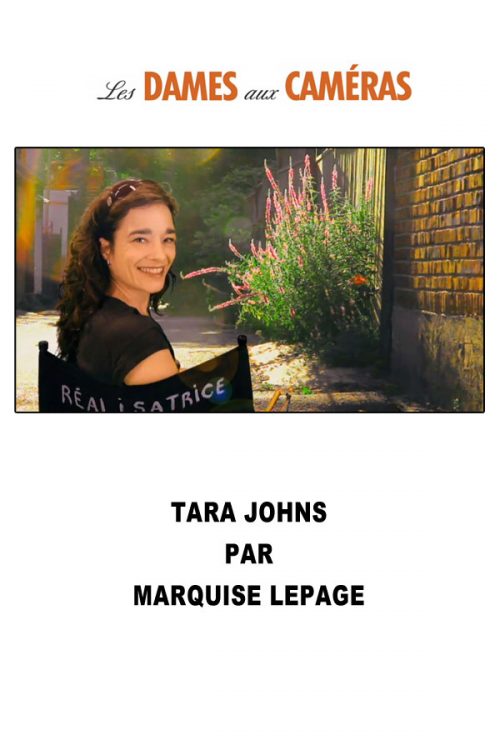
Tara Johns par Marquise Lepage
Marquise Lepage
Les Dames aux caméras présente une série de huit courts portraits de cinéastes québécoises de long-métrage de fiction. Capsule-portrait de la réalisatrice Tara Johns. Tara Johns est originaire de l’Ouest canadien et anglophone de naissance, mais francophile depuis longtemps. L’auteure de The Year Dolly Parton was my Mom (2011) (L’année où Dolly Parton était ma mère) s’est d’ailleurs établie au Québec depuis plusieurs années. Montréal est sa ville d’adoption mais c’est surtout le lieu où elle a eu la plus grande révélation de sa vie…
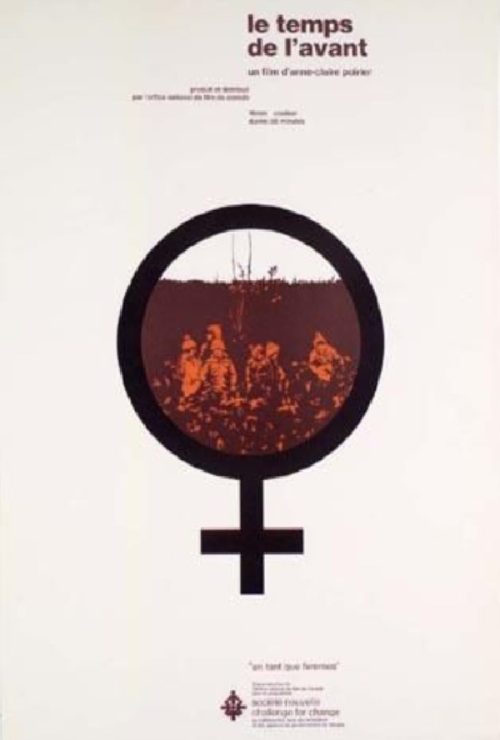
Le temps de l’avant
Anne Claire Poirier
À l’occasion d’une grossesse non désirée, un couple très lié affronte son premier conflit grave et deux femmes découvrent la terrible solitude qui est la leur, en face des problèmes de la contraception et de l’avortement. À la fois recherche en profondeur sur cette question très controversée et reconstitution du drame intérieur de la femme, Le Temps de l’avant met en cause la possibilité pour la femme de donner la vie dans un monde qui n’y invite plus.
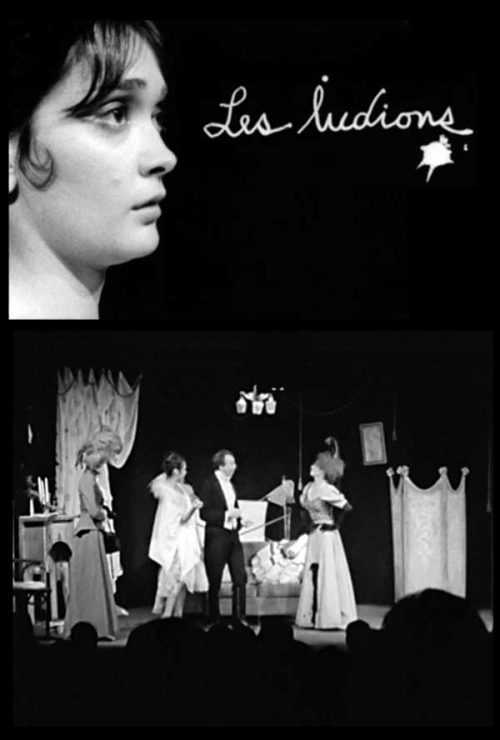
Les ludions
Anne Claire Poirier
«Nous avons la chance d’être nos maîtres, de pouvoir créer de nouvelles formes et de nous situer, pour ainsi dire, à l’avant-garde.» Ainsi s’expriment les élèves de l’École nationale de théâtre que dirige monsieur Jean Gascon. Tourné en grande partie à Stratford, Ontario, ce film permet de suivre le travail accompli par les étudiants.
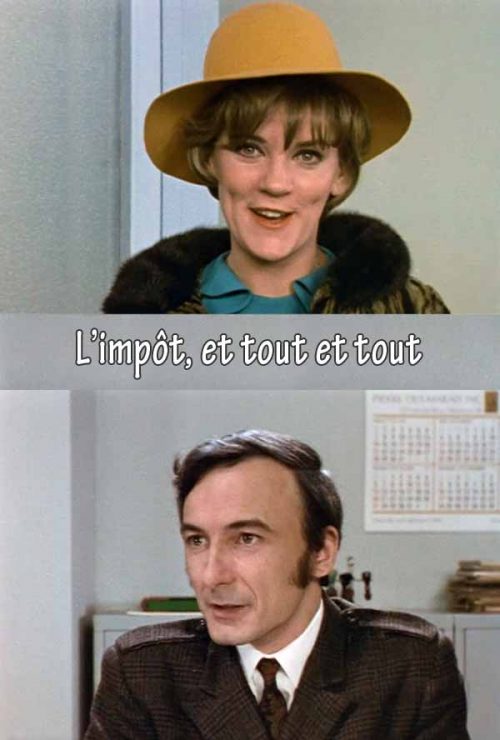
L’impôt, et tout et tout
Anne Claire Poirier
Court métrage de fiction fait à partir du film L’Impôt, et tout et tout (Parties I, II, III, IV), réalisé au début de 1969. Mettant en vedette les humoristes Yvon Deschamps et Clémence Desrochers, il tente de démontrer au public comment remplir son formulaire d’impôt au moment de sa déclaration de revenus.
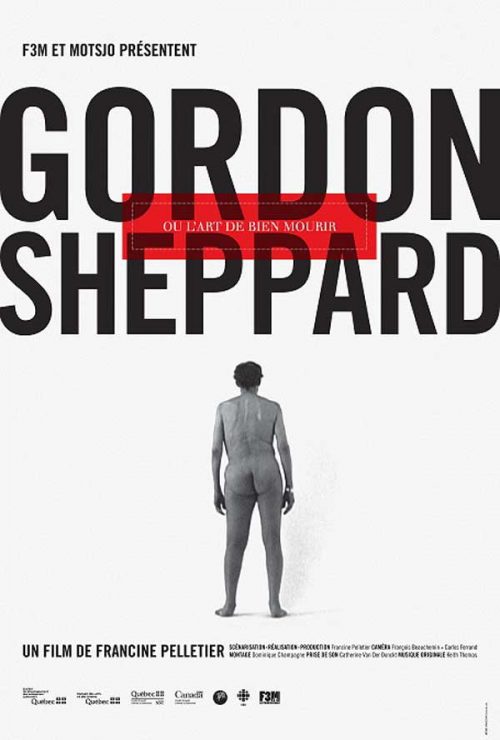
Gordon Sheppard ou l’art de bien mourir
Francine Pelletier
This documentary depicts the last year of Montreal artist Gordon Sheppard, before his death. Gordon Sheppard first came to prominence with his film The Most (1962) about Hugh Heffner, the creator of Playboy, and later with the feature film Eliza’s Horoscope (1974). He also published Ha! A Self Murder Mystery (2003), monumental photographic work on the suicide of the writer Hubert Aquin.
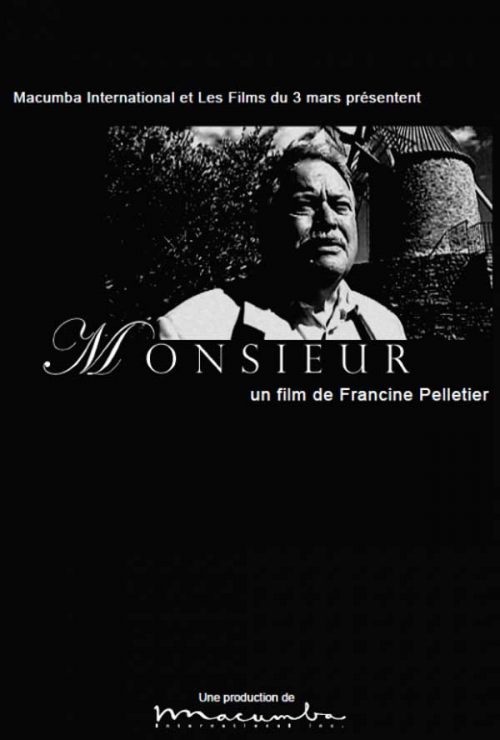
Monsieur
Francine Pelletier
Documentaire sur l’ex-Premier ministre du Québec, Jacques Parizeau. Jacques Parizeau est un aristocrate dans un pays qui n’en compte pas. Un homme que certains aiment pour sa détermination et que d’autres détestent pour les mêmes raisons. Un homme qui ne laisse pas indifférent. Ce documentaire est une invitation à découvrir l’homme plutôt que le politicien, l’amoureux plutôt que l’économiste, celui pour qui le destin a quelque peu basculé un certain soir d’octobre 1995.
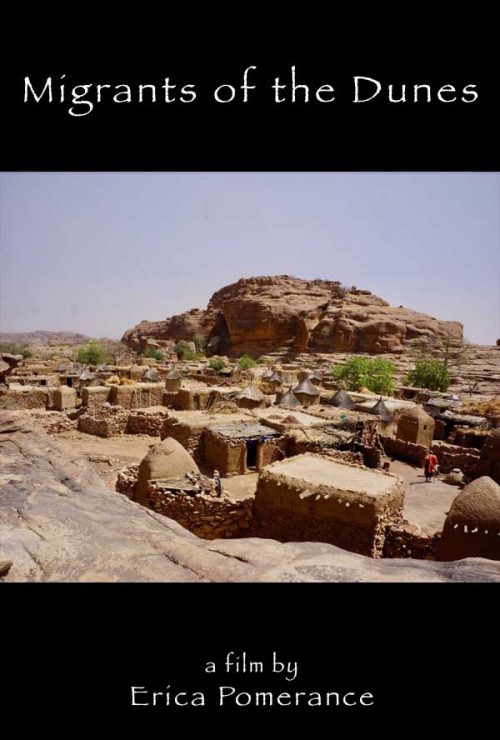
Migrants of the Dunes
Erica Pomerance
The sanding over of farmland caused by climate change threatens the survival of the Dogon people who live in the Bandiagara Cliff region in Mali. Families are gradually abandoning their villages and ancestral way of life in search of land on the Seno Plain. Growing economic and political instability is also causing the exodus of young men who once worked in tourism and the crafts, and who leave women and children behind to find work elsewhere. But those who remain are leading the fight to reclaim their fields, pastures and streams so essential for subsistence agriculture. Migrants of the Dunes in the second in a documentary trilogy on the theme of climate change in Dogon Country by filmmaker Erica Pomerance. It won the UPA Sustainable Development Award at the 2017 Vues d’Afrique Film Festival.

Dabla! Excision – Cessez l’excision
Erica Pomerance
Female genital mutilation is still practiced in 26 African countries, where two million girls are subjected to excision or infibulation each year. However, this tragedy is not confined to Africa. Many mutilated women seek political asylum in the West to protect their own daughters from the same fate. Filmed primarily in West Africa and Quebec, Dabla! Excision – Stop Excision tells the story of a few African and Quebec women who are leading a courageous fight to abolish these practices, the ultimate goal of which is the control of female sexuality.
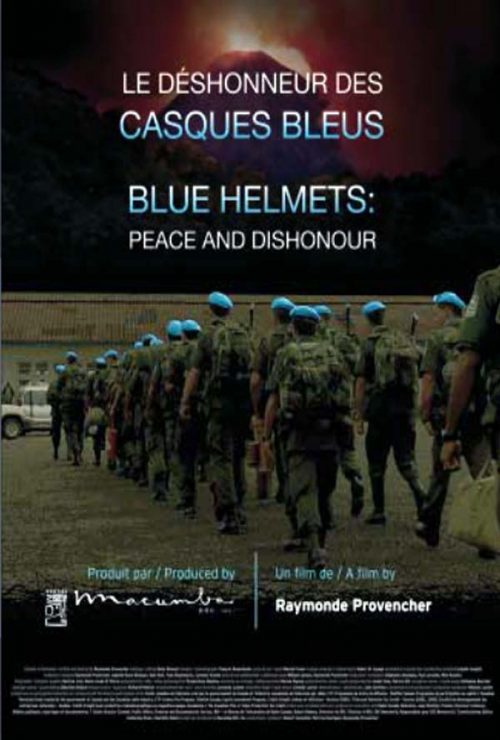
Le déshonneur des Casques bleus
Raymonde Provencher
Ils portent les casques bleus de l’espoir. Les Casques bleus de l’ONU arrivent dans des pays où des conflits meurtriers ont déchiré les populations. Leur rôle consiste à séparer les belligérants et à protéger les populations civiles. Du moins, c’est le mandat qui leur a été confié. Mais savons-nous vraiment ce que font les Casques bleus? Des victimes et des témoins parlent.

Tout le monde y gagne
Sylvie Rosenthal
In a knowledge economy dominated by information technologies and written communication, 48% of Canadians and 53% of Quebecers aged 16 to 65 are functionally illiterate. They lack the adequate reading, writing, numeracy and text comprehension skills to function well in everyday life, and at work where the tasks are increasingly complex. This is an alarming national economic issue! This generates major negative socio-economic impacts for individuals, companies and society, and it hinders the enrichment of all. The documentary Everyone Wins analyzes the situation and proposes winning solutions at school, for people living in poverty, for businesses and society. What are we all waiting for to take action?
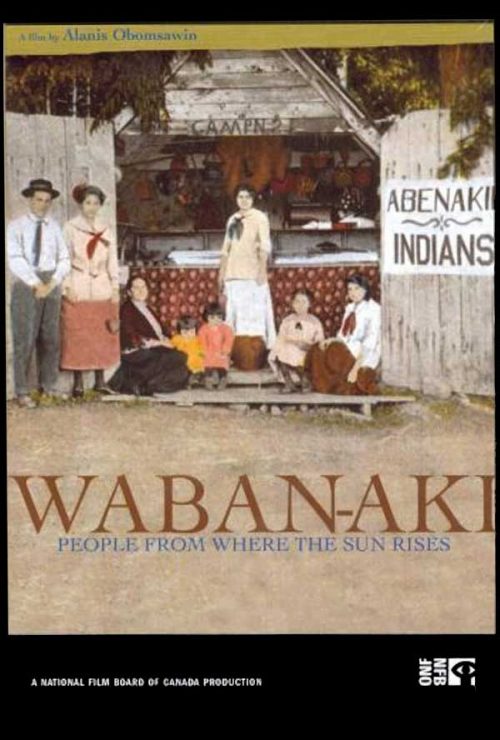
Waban-Aki: People from Where the Sun Rises
Alanis Obomsawin
In this feature-length documentary from Alanis Obomsawin, the filmmaker returns to the village where she was raised to craft a lyrical account of her own people. After decades of tirelessly recording others’ stories, she focuses this film on her own.
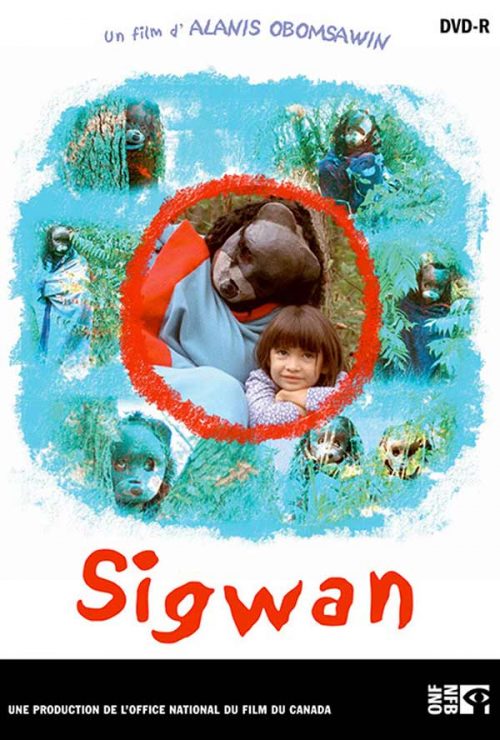
Sigwan
Alanis Obomsawin
Sigwan tells the touching story of a young girl who is comforted and counselled by the animals of the forest. Written and directed by distinguished filmmaker Alanis Obomsawin, the film addresses issues of exclusion and prejudice that exist within many communities worldwide. Visually breathtaking and in High-Definition, Sigwan is a simple, transformative parable of acceptance.
La survie de nos enfants
Alanis Obomsawin
In this feature-length documentary, Indigenous filmmaker and artist Alanis Obomsawin chronicles the determination and tenacity of the Listuguj Mi’kmaq people to use and manage the natural resources of their traditional lands. The film provides a contemporary perspective on the Mi’kmaq people’s ongoing struggle and ultimate success, culminating in the community receiving an award for Best Managed River from the same government that had denied their traditional rights.
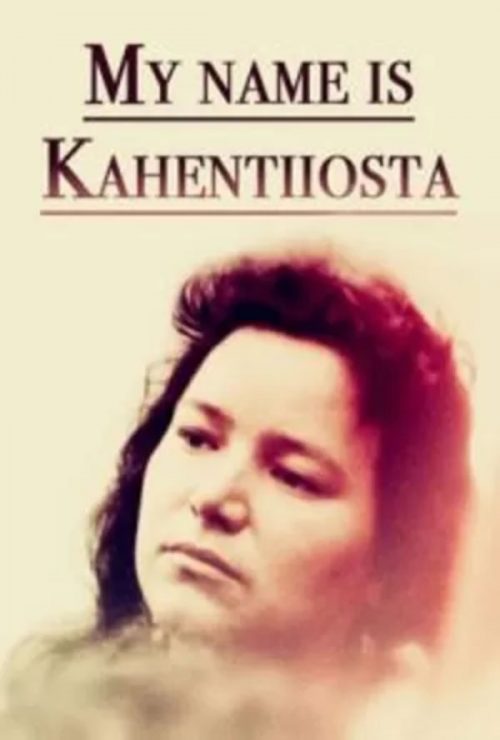
Je m’appelle Kahentiiosta
Alanis Obomsawin
This short documentary by Alanis Obomsawin tells the story of Kahentiiosta, a young Kahnawake Mohawk woman arrested after the Oka Crisis’ 78-day armed standoff in 1990. She was detained 4 days longer than the other women. Her crime? The prosecutor representing the Quebec government did not accept her Indigenous name.
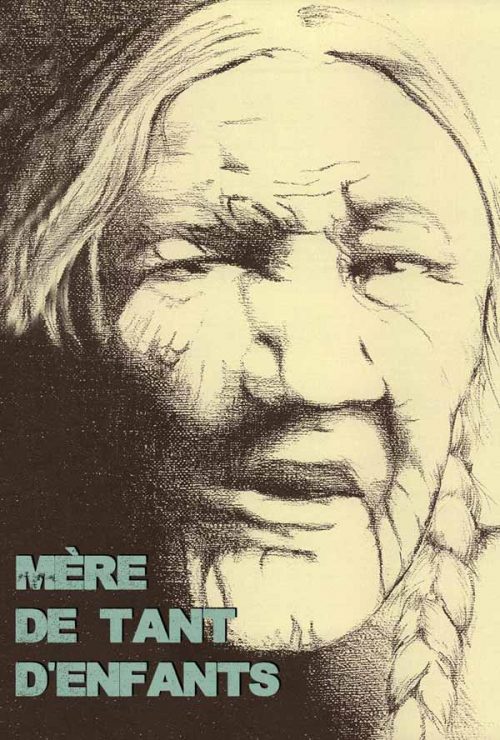
Mère de tant d’enfants
Alanis Obomsawin
In her first feature-length documentary, released in 1977, Alanis Obomsawin honours the central place of women and mothers within Indigenous cultures. An album of Indigenous womanhood, the film portrays proud matriarchal cultures that for centuries have been pressured to adopt the standards and customs of the dominant society. Tracing the cycle of Indigenous women’s lives from birth to childhood, puberty, young adulthood, maturity and old age, the film reveals how Indigenous women have fought to regain a sense of equality, instilled cultural pride in their children and passed on their stories and language to new generations. The story of Marle Williamson, an Ojibway, who lived through the residential school era.
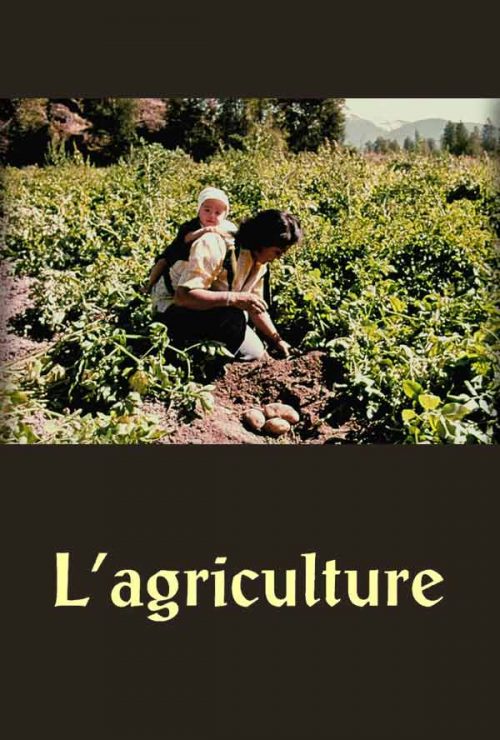
L’agriculture
Alanis Obomsawin
The farming practices of residents of the Líl̓wat Nation near Mount Currie, B.C., are presented in a series of snapshots that illustrate the fertility of their territory and the people’s deep connection to their land. This short is part of the L’il’wata series. In the early 1970s, at the outset of her documentary career, Alanis Obomsawin visited the Líl̓wat Nation, an Interior Salish First Nation in British Columbia, and created a series of shorts that provide personal narratives about Líl̓wat culture, histories and knowledge.