

Online cinema
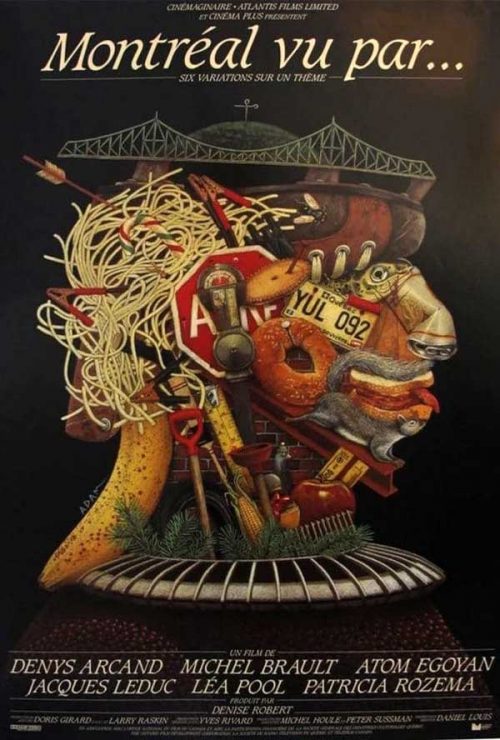
Montréal vu par… Six variation sur un thème

Léa Pool
The film is made up of six short stories by six Canadian directors around the theme of Montreal. The six directors take their personal look at this city rich in contrasts. Desperanto (Patricia Rozema) – Using sketchy French, a young Torontonian experiences nightlife in Montreal. The Canvas of Time (Jacques Leduc) – The story of a painting by Jacques Viger The Last Game (Michel Brault) – After 40 years of marriage, a woman tries to tell her husband, during a hockey game, of her intention to divorce. By the way (Atom Egoyan) – At the airport, a conference participant is blocked by a customs officer. Rispondetemi (Léa Pool) – Following an accident, while being taken to the hospital by ambulance, a woman remembers moments of her life. Vue d’ailleurs (Denys Arcand) – An elderly woman, during a reception, remembers the great love she experienced in Montreal.
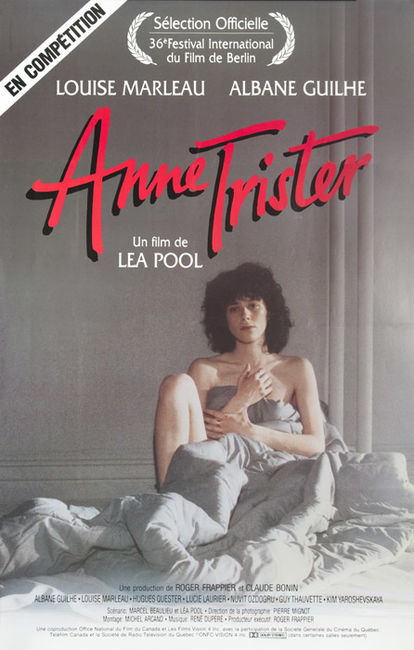
Anne Trister
Léa Pool
Anne Trister is the chronicle of a young woman painter discovering herself, life and its ruptures. Shaken by the loss of her father buried in Israel, she leaves Switzerland and her past to settle in Montreal with a psychologist friend. To rebuild herself, she will experience an excessive painting project and an impossible relationship. Reality takes care of reframing Anne Trister in her love and artistic life.
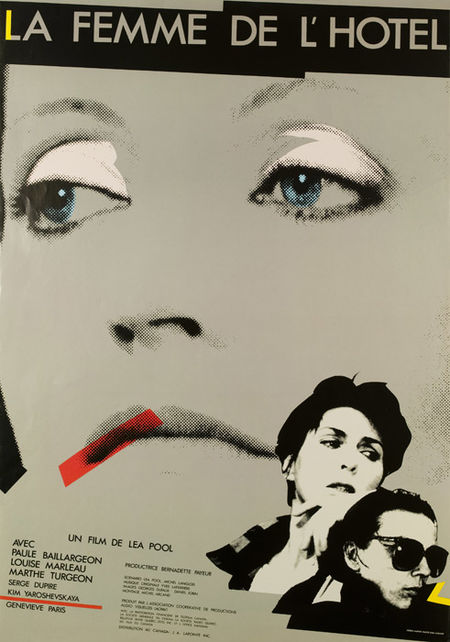
La Femme de l’hôtel
Léa Pool
Called to shoot a film in her hometown, Montreal, a director finds inspiration in a mysterious woman, Estelle David, who wanders into a hotel. Inspired by this woman, the director finds a way to better define the role she is writing for the actress who will play this character in her film.
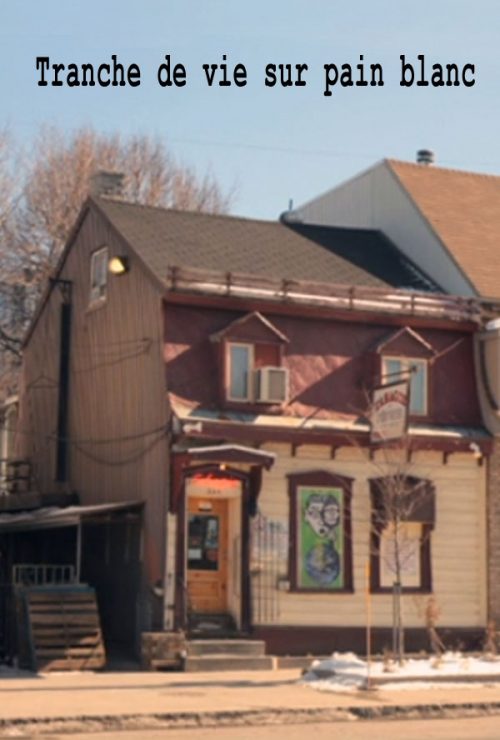
Tranche de vie sur pain blanc

Émilie Baillargeon
Rozenn Potin
Un film d’Émilie Baillargeon et Rozenn Potin réalisé durant KINOMADA Québec 2010.
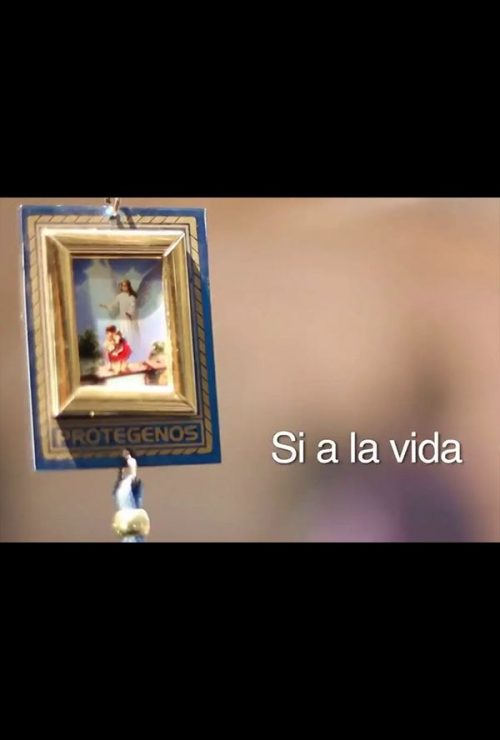
Si a la vida (Oui à la vie)
Rozenn Potin
Avril 2007, l’État de Mexico devient le premier d’Amérique Latine où l’avortement est légalisé. En réaction, les gouvernements conservateurs dans plus de la moitié des états du pays, durcissent leur législation anti-avortement : donnant un droit juridique au foetus avant la mère! Dans l’état de Guanajuato, les femmes risquent de 25 à 35 ans de prison! Août 2010, Léon, état de Guanajuato, les partisans pro-choix et pro-vie défilent et s’affrontent lors de la conférence mondiale de la jeunesse. Oui à la vie… mais pour qui?
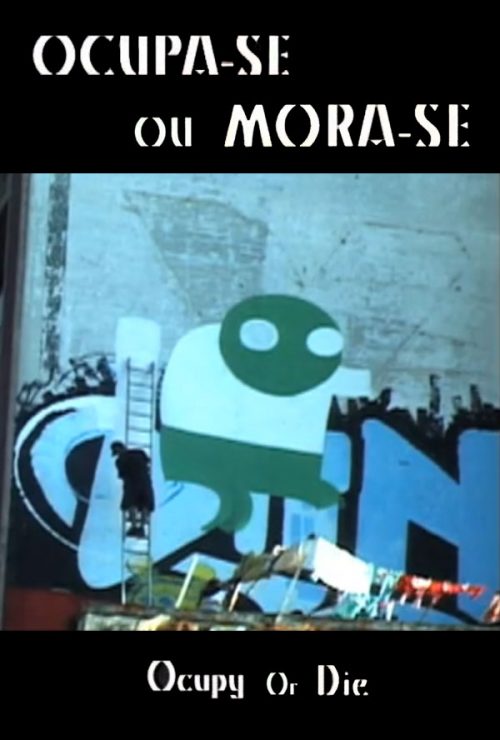
Ocupa-se ou Mora-se • Ocupy or Die
Rozenn Potin
Portrait of squatters in São Paulo. Or when having a roof over your head is an almost inaccessible luxury!
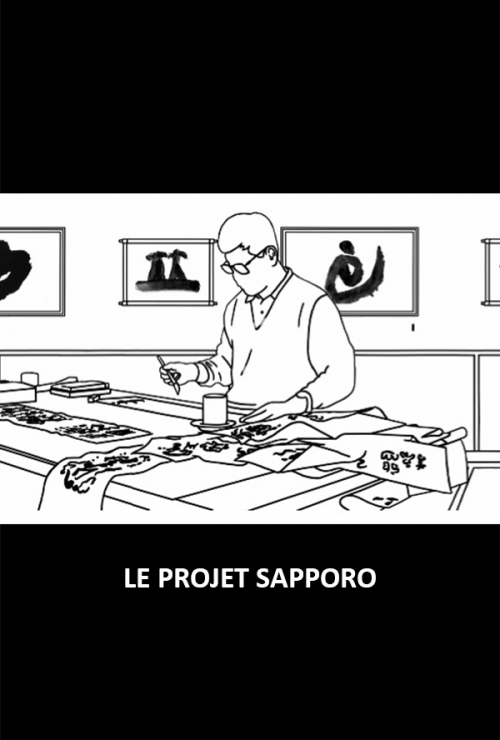
Le projet Sapporo
Marie-Josée Saint-Pierre
Le projet Sapporo est une ode poétique au travail du calligraphe japonais Gazanbou Higuchi. Fenêtre inédite sur le monde de la calligraphie, ce film d’animation est un regard sur un artiste en pleine création. L’espace d’un court-métrage, ses oeuvres sont animées, transportant le spectateur dans le monde secret de son imaginaire.
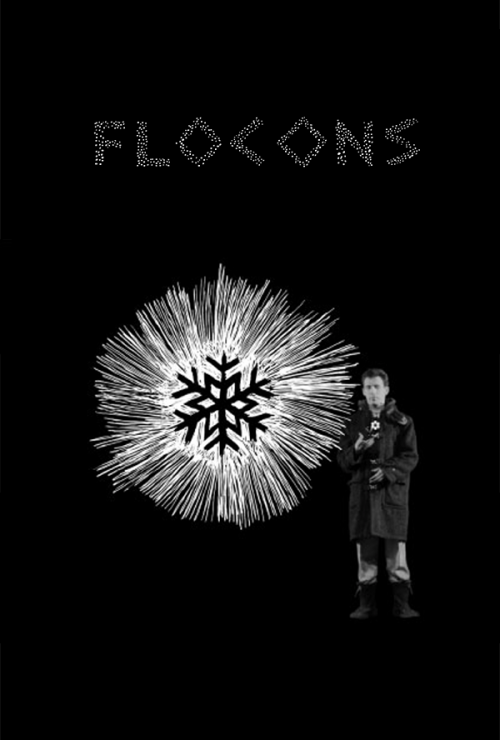
Flocons
Marie-Josée Saint-Pierre
This short animation was created using tests created in the production of A Chairy Tale (1957) by master of animation Norman McLaren. Flocons is set to the music of Tchaikovsky and features none other than Canadian filmmaker Claude Jutra, who plays a character imprisoned in the celluloid on which McLaren paints directly. Flocons aims to celebrate the 100th anniversary, in 2014, of Norman McLaren’s birth.
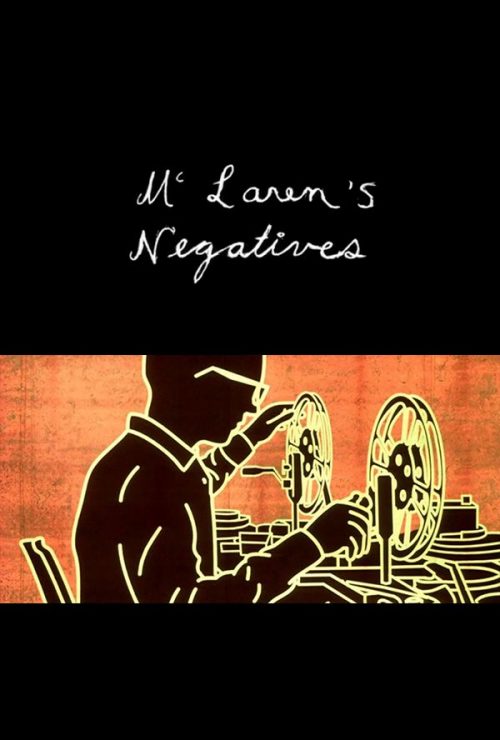
Les Négatifs de McLaren
Marie-Josée Saint-Pierre
Using the sound archives of legendary Canadian animator, Norman McLaren, this animated short recreates a unique portrait of the artist. Immersed in the intimate universe of the process of filmmaking, this visual essay takes us into the unpublished confidences of McLaren and his very personal vision of cinema, frame by frame.
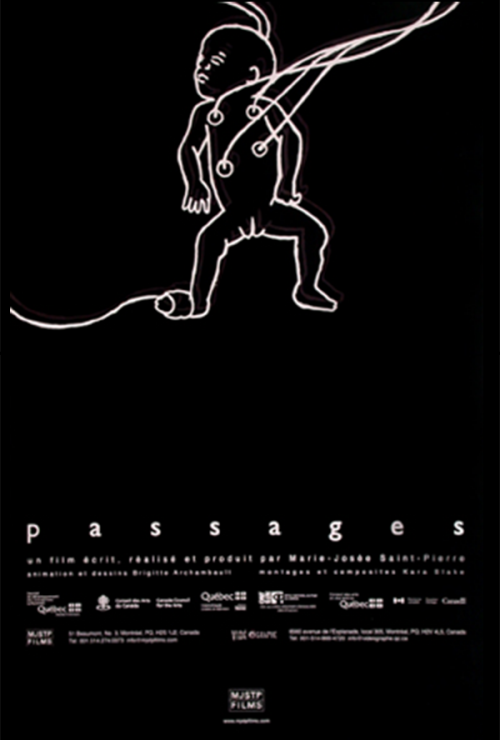
Passages
Marie-Josée Saint-Pierre
I discovered with great emotion that I was pregnant with my first child. I waited with all my love for this little angel, far from suspecting that my delivery would be a real nightmare, would turn into a tragedy and that we would find ourselves, my baby and I, on the verge of death…
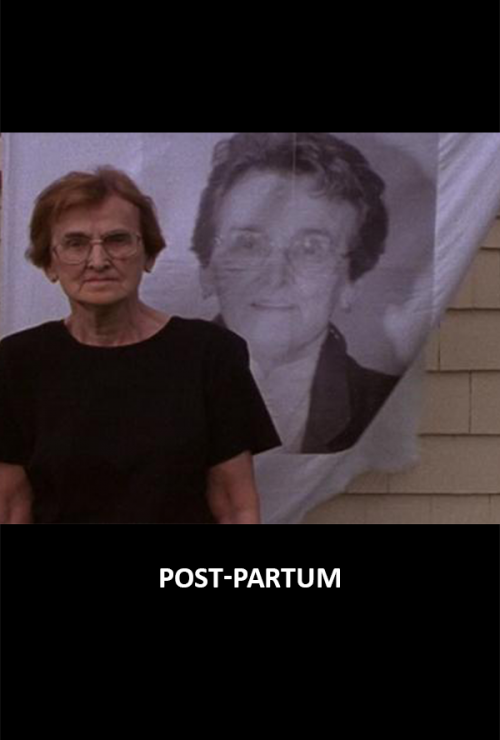
Post-Partum
Marie-Josée Saint-Pierre
When I was two months old, my mother left me in my grandmother’s care because she could no longer bear my constant crying. So many tears that lead me to the water. The water I’ve always been so afraid of. For the space of a dream, for a moment, I revisited my past, I revisited his…
Ondulazioni dell’anima
Lisa Sfriso
Autoportrait réalisé dans le cadre d’une série d’autoportraits des artistes de Vidéo Femmes.
Un État sous influence
Lisa Sfriso
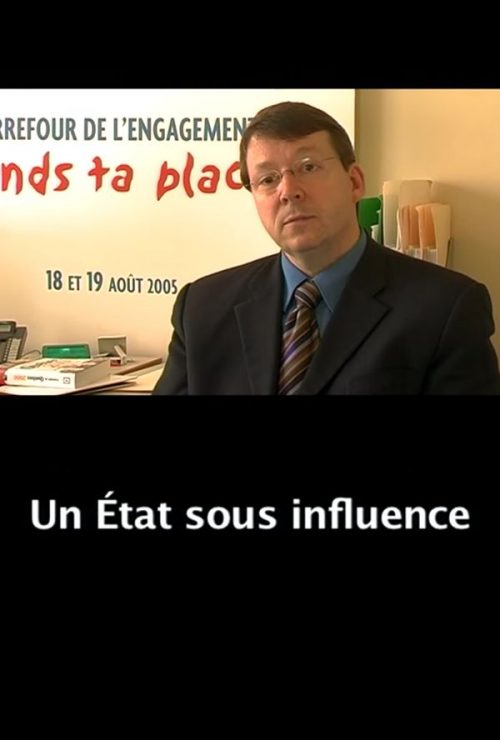
Un regard critique sur l’impact de la «walmartization». L’État sous influence – Partie 2/3 L’État sous influence – Partie 3/3
When Silence is Golden
Alexandra Sicotte-Lévesque
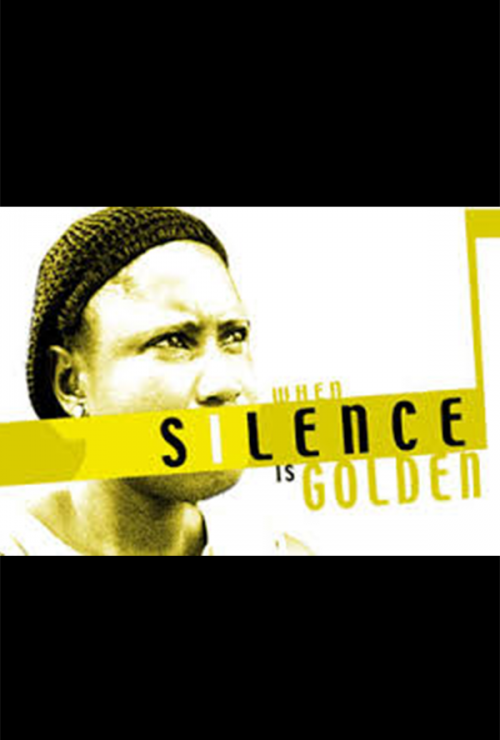
The documentary film When Silence is Golden follows the director in her quest to lift the silence on the gold mining activities of a Canadian mining company near a small town in western Ghana. Through her journey, we meet the inhabitants of this town who, despite efforts by the government to silence them, cannot hide their anger and are eager to express their grievances. The director is also confronted with the impact of her presence, as a Westerner, within the community.
Stunt Family
Lois Siegel
This short film from the Canada Vignettes series profiles a unique French-Canadian family, the Fourniers, twelve of whom work as stunt men and women for films.

Stunt People
Lois Siegel
Stunt People features four generations of the Fournier family: smashing cars, catching fire and falling off buildings for the fun of it. Their passion is action and adventure. Stunt People moves behind the scenes to give an insight as to how stunts are done and why stunt people risk their lives to perform stunts for film.
Chantal Pontbriand
Lysanne Thibodeau
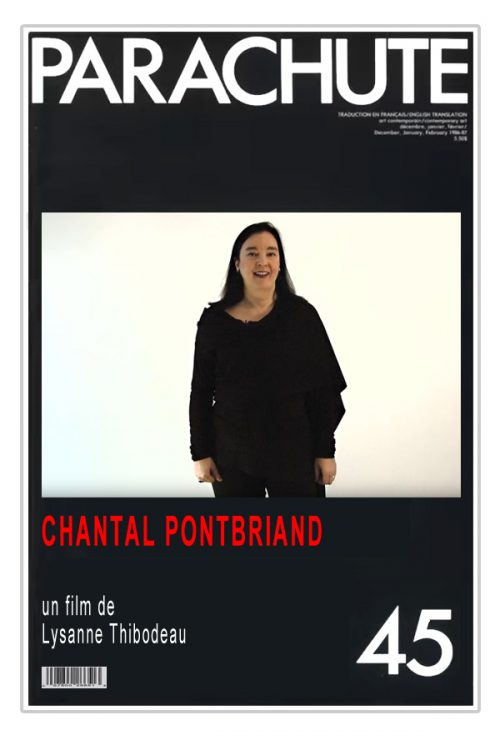
In this video Chantal Pontbriand discusses her critical and curatorial practice. Chantal Pontbriand, founder and director of the contemporary art magazine Parachute, has been a professional art critic and curator since 1975. Early on, she became interested in globalization and cultural hybrids, and produced numerous major contemporary art events that brought together Canadian and international artists, including the Festival International de la Nouvelle Dance (FIND). She is in involved in publishing and programming video, performance, dance, music and seminars, as well as in research and experimentation with new modes of exhibition and presentation. Chantal Pontbriand is a 2013 winner of the Governor General’s Awards in Visual and Media Arts
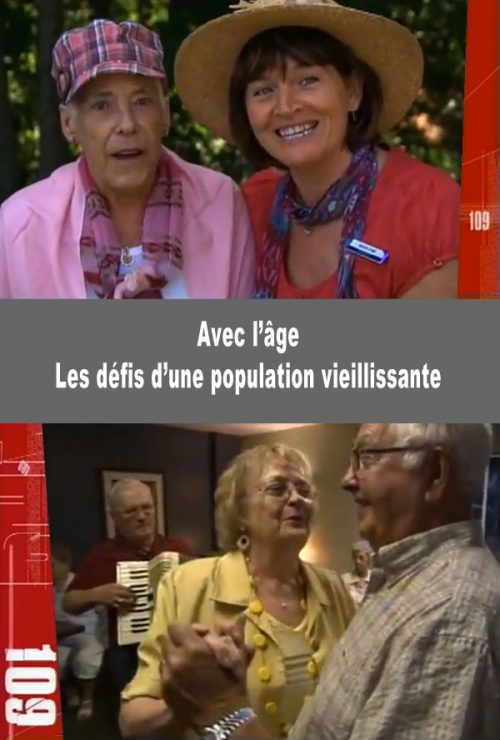
Avec l’âge – Les défis d’une population vieillissante
Geneviève Tremblay
Dans son documentaire, Avec l’âge, la réalisatrice Geneviève Tremblay se penche sur le cas de Trois-Rivières, une ville grisonnante qui doit s’adapter à une nouvelle réalité. Une armée de 200 travailleurs de la santé circule dans les rues pour offrir des soins à domicile quand les institutions ne fournissent plus. Y’aura-t-il assez de services gériatriques pour traiter les aînés dans le confort et dignité ? De grandes questions qui provoquent déjà de grands débats de société.
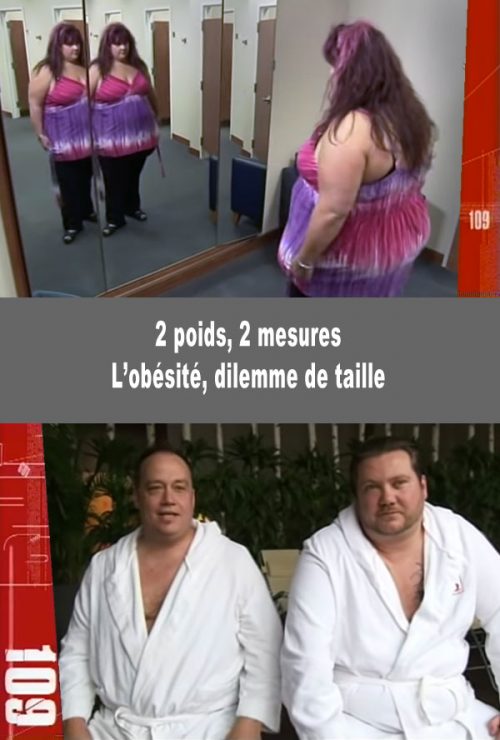
2 poids, 2 mesures – L’obésité, dilemme de taille
Geneviève Tremblay
Imaginez que vous pesez 450 livres et que vous ne pouvez même plus lacer vos chaussures. Avec un taux d’obésité qui a triplé en 20 ans, le Canada compte des milliers de personnes obèses qui ont de la difficulté à se mouvoir. Dans son documentaire, Deux poids, deux mesures, la réalisatrice Geneviève Tremblay explore l’univers des gros avec des hommes et des femmes obèses qui révèlent les détails les plus intimes de leur vie quotidienne. Mais l’accommodement des personnes obèses pose un dilemme de société. Deux poids, deux mesures nous fait réfléchir sur une question de santé publique qui pose un dilemme de taille.
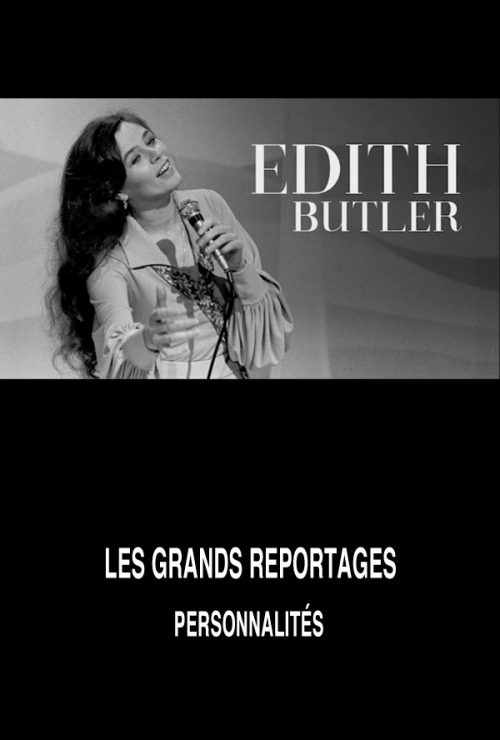
Edith Butler, Aimer la vie (Les grands reportages personnalités)
Geneviève Tremblay
La culture acadienne est indissociable de cette artiste qui l’a portée à bout de bras à travers sa voix et ses chansons: musicienne engagée, profonde et réservée malgré les apparences, Édith Butler a tracé le chemin des plus grandes scènes du monde pour la génération qui lui a succédé.
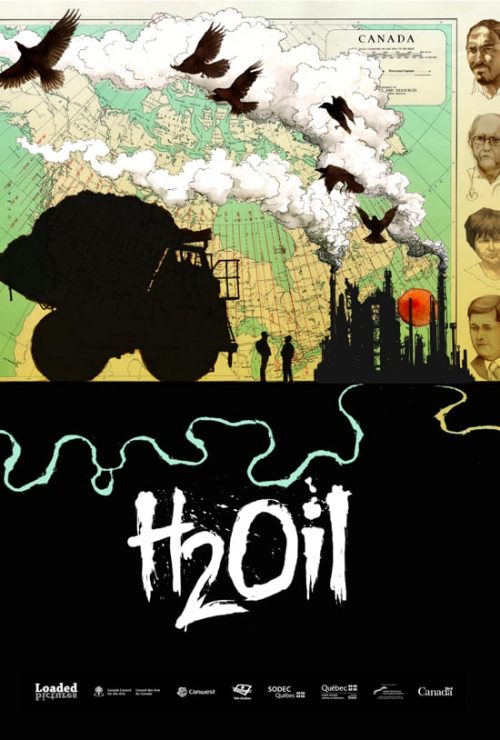
H2Oil
Shannon Walsh
In Canada’s richest province, the war for water has already begun. It goes without saying that water – its depletion, exploitation, privatization and contamination – has become the most important issue to face humanity in this century. Water security will soon define the boundaries between people and countries. The war for oil is well underway across the globe. However, a struggle is increasingly being fought between water and oil not only over them. Alberta’s oil sands are at the tension center. The province is rushing towards large-scale oil extraction, which will have far reaching impacts on water, health, animals and the environment in the region. H2Oil weaves together a collection of disparate but intersecting characters as they respond, engage, defend and seek solutions to the wavering balance between the urgent need to protect and preserve fresh water resources and the mad clamoring to fill the demand for oil globally.
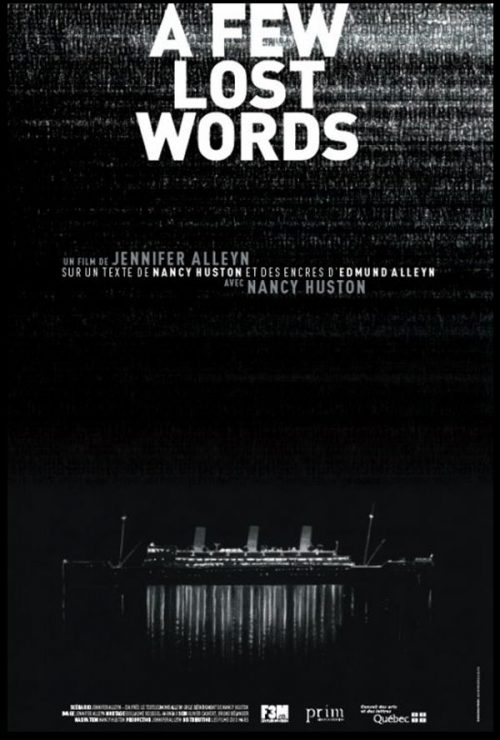
A few lost words
Jennifer Alleyn
Inspirée par les oeuvres du peintre Edmund Alleyn, la romancière canadienne Nancy Huston compose en 2011, un soliloque poétique sur le détachement. La cinéaste Jennifer Alleyn en tire A few lost words, une vidéo expérimentale qui met en dialogue les mots et les images de deux artistes ayant choisit l’exil linguistique pour trouver «l’image juste ».
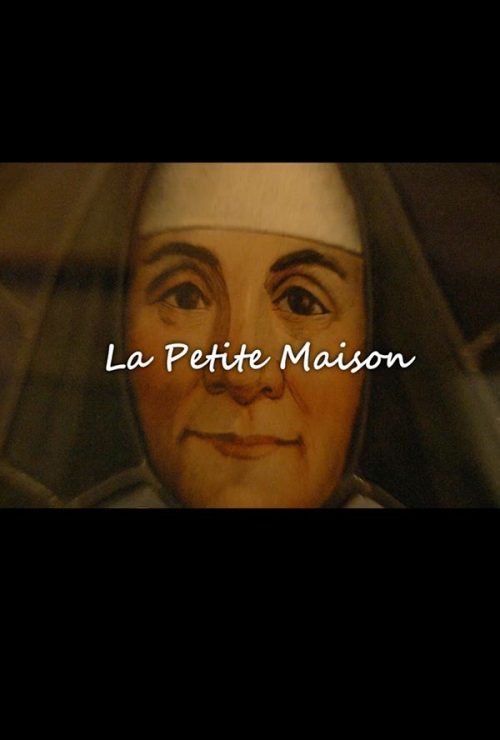
La petite maison
Catherine Veaux-Logeat
La réussite de 3 jeunes mamans arrivées en détresse à la Petite Maison de la Miséricorde où l’on accueille les femmes cheffes de famille mono parentales. Une institution fondée par Sœur Rosalie.