

Online cinema
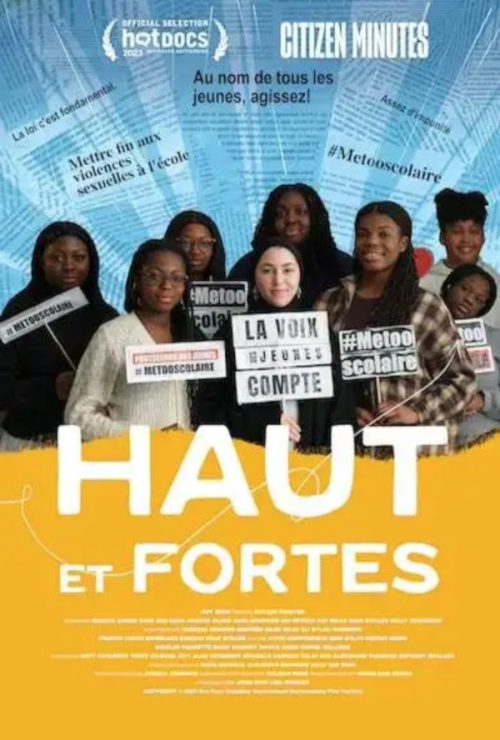
Haut et fortes

Josiane Blanc
After noticing that too many cases of sexual violence were going unreported or unpunished in their schools, 23 teenage girls decided to take matters into their own hands in order to bring about significant changes to Quebec school board policy.
Naissances du futur
Claudie Simard
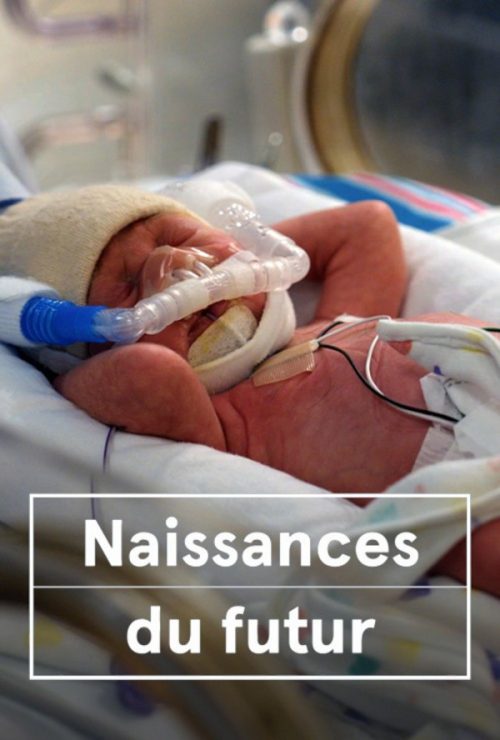
What will giving birth be like in 20, 50 or 100 years? Be it egg donation and freezing, in vitro fertilization, or ultra-sophisticated incubation, all this was science fiction to previous generations. What is in store for the parents of tomorrow? Will research into artificial wombs ultimately lead to lab-created humans?
Sages et rebelles
Claudie Simard
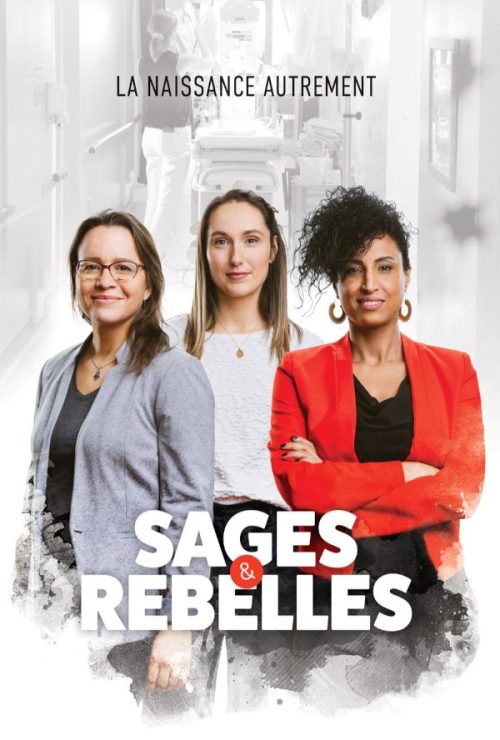
While the practice of midwifery was legalized more than 20 years ago, and demand for its services is growing, access to midwives remains limited in Quebec. Motivated by her own experience of a traumatic childbirth, director Claudie Simard takes us along in her discovery of this underrepresented health profession. By following midwives in their daily lives, Resilience in Midwifery highlights their working conditions and expertise and reveals popular misconceptions about their profession. Finally, Resilience in Midwifery culminates in a wider reflection on childbirth conditions.

Vidéo Femmes par Vidéo Femmes
Nicole Giguère
A brief history of Vidéo Femmes in images, texts, video clips, unpublished archives… A humorous look back at 10 years of work and production by our collective, which has involved around 50 people since its inception; a “historical” look too, since we inevitably reflect and speak for the concerns and developments of our community.
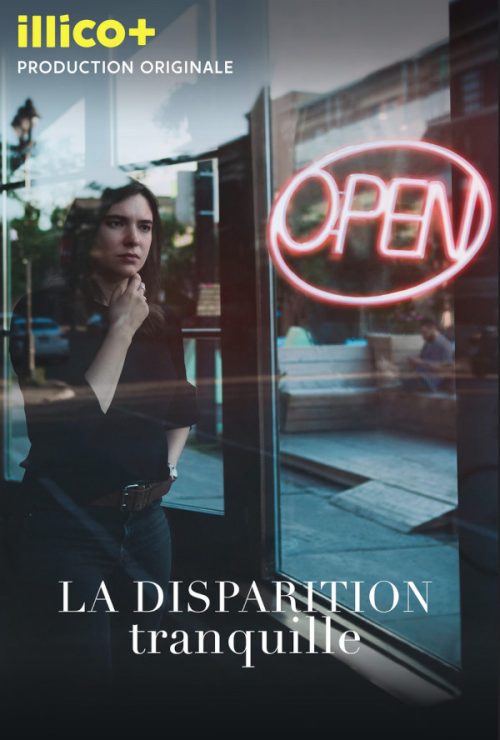
La disparition tranquille
Flavie Payette-Renouf
Director Flavie Payette-Renouf attempts to understand the decline of French in Quebec. She wants to shed light on what truly threatens our language, which is becoming increasingly fragile, while English is growing more and more attractive.
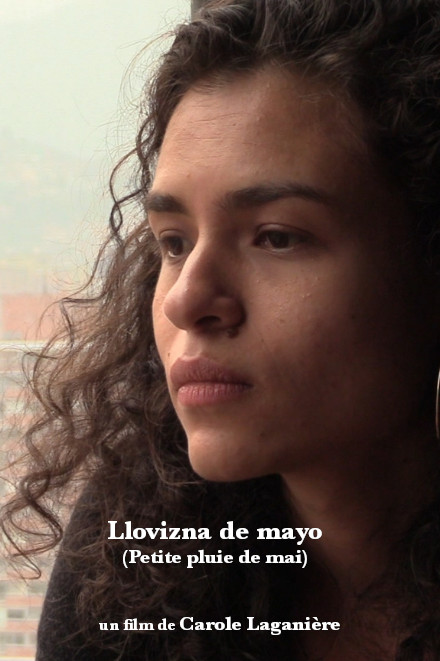
Llovizna de mayo (Petite pluie de mai)

Carole Laganière
In the hotel room of a Quebecois filmmaker in Bogota, a woman speaks about the brief and intense love story she had with a man she knew nothing about. Evocation of a passion that will be extinguished with the unveiling of the truth.
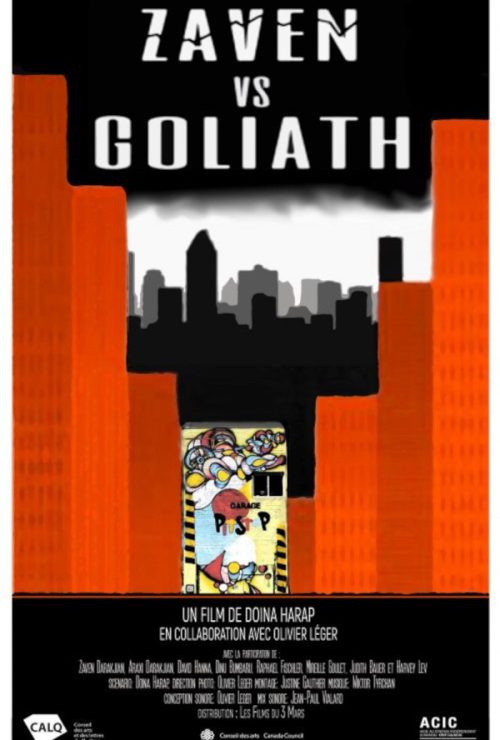
Zaven vs Goliath
Doïna Harap
Zaven versus Goliath is the saga of Zaven Darakjian, a modern-day ‘David’ who attempts to rescue his property from the merciless advance of modern urbanisation. His story is one of injustice and municipal corruption, but also of heroic resistance by an ordinary citizen who dared to stand up to powerful, pitiless condo developers. Like many others, Zaven has become a scapegoat in the gentrification of an old neighbourhood in the heart of a big city.
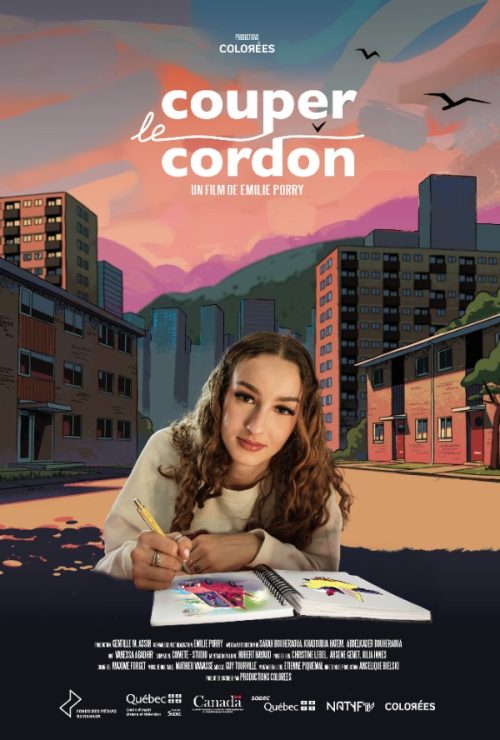
Couper le cordon
Émilie Porry
Sarah is a young Quebec woman on the eve of her 20th birthday. Athletic, disciplined, and ambitious, we follow her reflections on the life choices she must make, torn between family expectations and values and her great need for emancipation. Cutting The Cord deals with universal issues such as the search for identity, the weight of tradition, and the courage to follow one’s own path. But it is also an example of successful integration. Sarah was born here to parents who immigrated to Quebec thirty years ago. She is particularly close to her mother, whose efforts to reconcile her attachment to her traditions of origin with her daughter’s aspirations are evident. Sarah is also fortunate to be surrounded by a circle of childhood friends, thanks to the stability offered by the social housing complex where they live as neighbors, which is designed to be a supportive living environment.
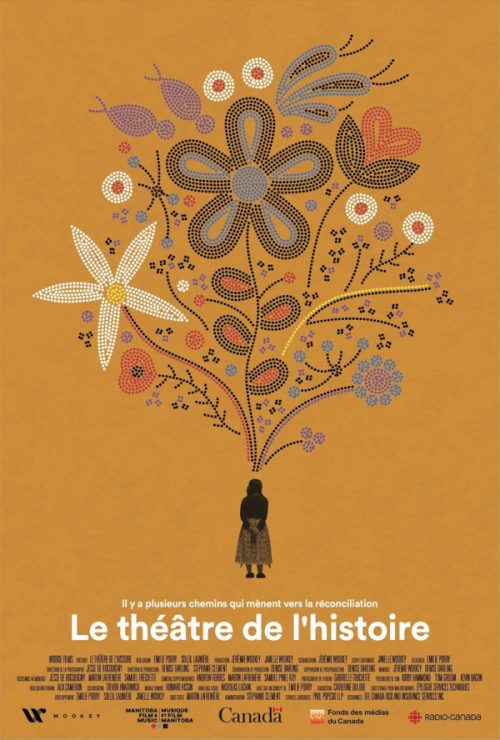
Le théâtre de l’histoire
Émilie Porry
A group of high school students embark on an 8 month long journey to decolonize their understanding of Indigenous history through unconventional means: a theatre workshop. Can a different ‘way in’ lead to a genuinely revised perspective on Reconciliation for the next generation?
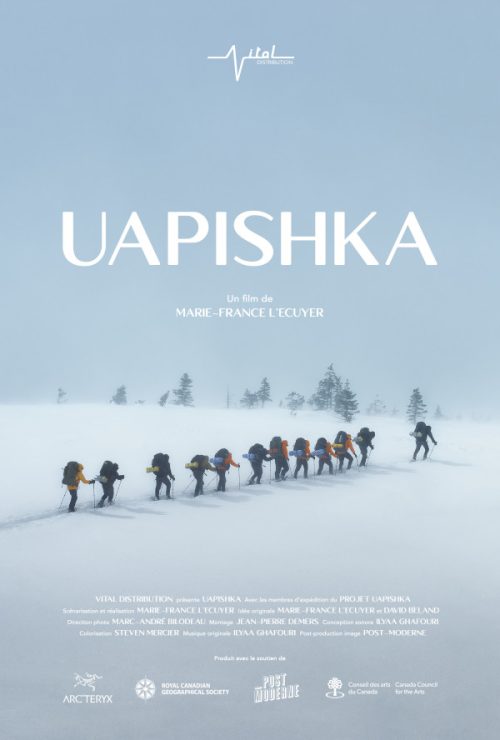
Uapishka
Marie-France L’Ecuyer
North of the 51st parallel, where the dense boreal forest opens onto an arctic islet, the snow-capped peaks of the Uapishka Mountains watch over the Nitassinan of Pessamit. In the heart of winter, a group of Innu and non-Innu adventurers attempt to cross this vast mountain range on snowshoes, completely autonomously. Confronted with the immensity of the territory, the rigors of the northern climate, and the impetuous breath of the tundra, they discover each other in a new way, form friendships, and unite to better chart their course. As the kilometers pass, the adventure reveals a space for encounter, sharing, and reconciliation.
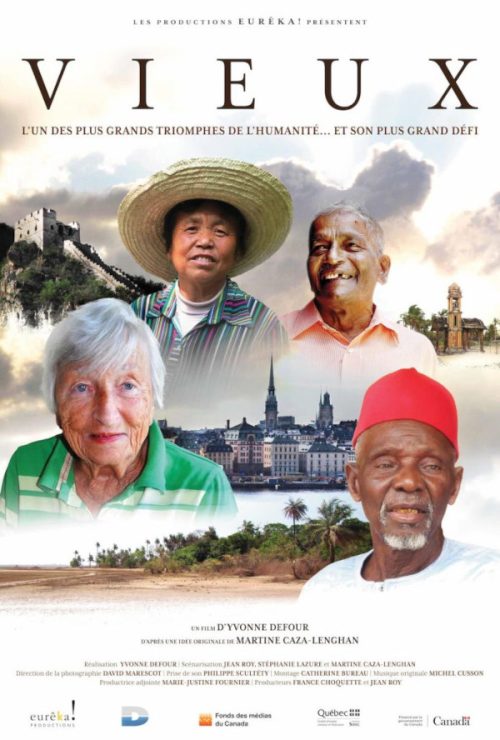
Vieux
Yvonne Defour
We all grow old. That’s a fact. But we don’t all age in the same way. This is obviously due to health, family circumstances, and resources. But it also, and perhaps above all, depends on the country in which we live. Which cultures are inherently favorable to the elderly? And in what ways? While services for seniors are more developed in Western countries, isolation, abuse, and neglect often ruin the lives of older people. Conversely, does multigenerational solidarity in some developing countries make older people happier? In other words, what is it like to be old in different cultures around the world? Vieux (Elderly) follows characters who bear witness to the reality of older people in four countries on four continents. Constructed using alternating montages, this feature film will fuel reflection on aging.
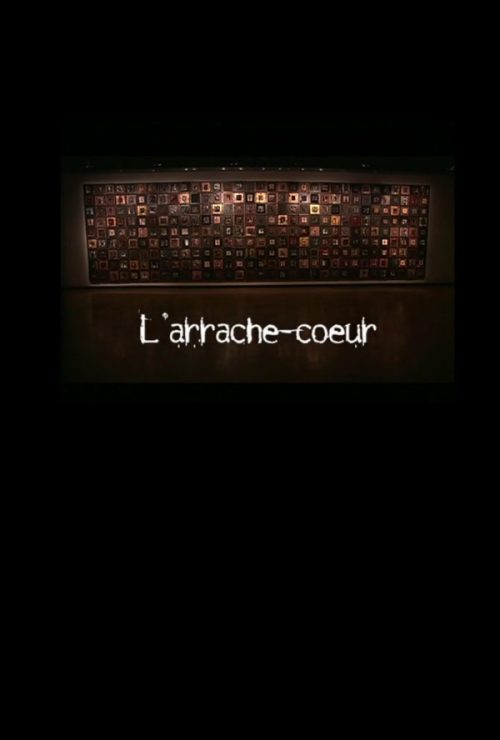
L’arrache-coeur
Yvonne Defour
L’arrache-coeur (The Heartbreaker) is a short film I made for a painter friend, Nathalie Maranda. Her work includes 340 paintings on the theme of female genital mutilation. I chose to make this film because the subject touches on two of my concerns: the defense of human rights and artistic expression.
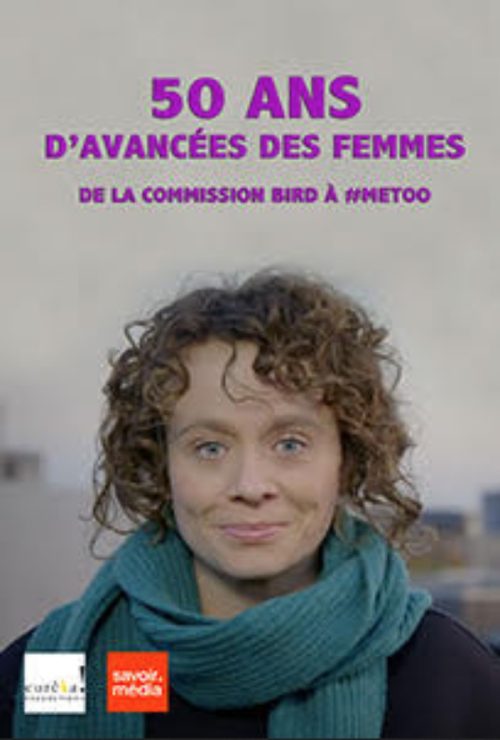
50 ans d’avancées des femmes, de la Commission Bird à #MeToo
Érika Reyburn
In 1970, at a time when Quebec was in turmoil, the Bird Commission on the Status of Women in Canada, created three years earlier, submitted its voluminous report. It contained 167 recommendations urging the government and men to adapt to the new reality of the country’s female citizens, who were thirsty for freedom and wanted to emancipate themselves on several levels. Body, sexuality, speaking out, commitment, education, work, family: everything was changing. After 50 years of progress, where do women in Quebec stand today? Entrepreneur, doctor, engineer, politician: today’s young girls can aspire to all kinds of professions without hesitation. Women are no longer confined to nursing, primary education, or secretarial work, even though they still fill almost all of these traditionally female jobs. What is the secret to encouraging girls to think outside the box? And how can we revalue so-called female professions? 50 years of women’s progress – Commitment 50 years of women’s progress – Free Speech 50 years of women’s progress – Body and Sexuality 50 years of women’s progress – Education 50 years of women’s progress…

Uniques ensemble
Joannie Lafrenière
To mark Autism Awareness Month (April), Mélissa Lefebvre, Patsy Van Roost, and the bright students of the CASA (Adapted Classrooms for the Autism Spectrum) groups at the PGLO – Paul-Gérin-Lajoie-d’Outremont school decided to create the Uniques ensemble (Unique Together) project with joy and commitment by designing and making a quilt representing their uniqueness and the dreams they carry in their beautiful hearts. This joint creation is therefore a celebration of their singularity and powerful beauty.
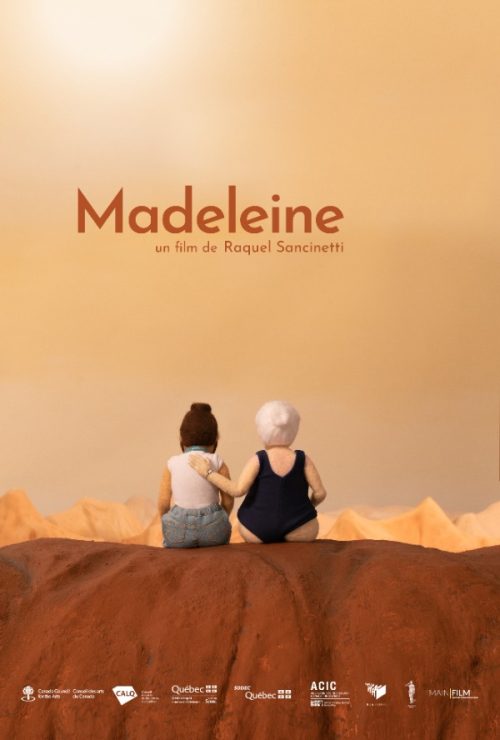
Madeleine
Raquel Sancinetti
Every week, Raquel (41), a Brazilian immigrant, visits her friend Madeleine (107) in her retirement home in Montreal and tries to convince her to get out of the house. The senior woman refuses: she has nothing else to do outside. Raquel doesn’t give up and finds a way to bring Madeleine with her on a road trip to the sea. The result is a journey that plays with reality and fiction and brings a reflection on life, death and the certainty that there is always something to learn along the way.
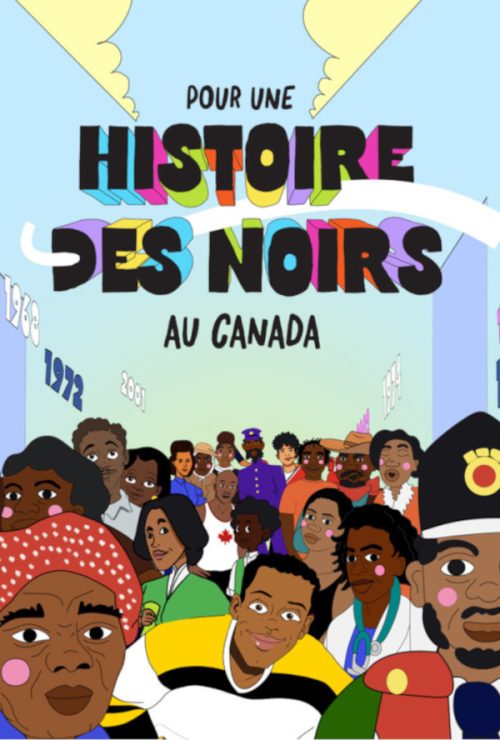
Pour une histoire des Noirs au canada
Marilyn Cooke
Eva Kabuya
Pour une histoire des Noirs au Canada (For a History of Black Canadians) is a vibrant and exciting animated series that tells the extraordinary stories of Black people who have shaped Canadian history. Over the course of its 20 episodes, young viewers are immersed in unique stories that span different eras and fields, from politics to sports to the arts. In this series, we patrol the streets of Ontario with Peter Butler III, the province’s first Black police officer, and lace up our skates with Willie O’Ree, the NHL’s first Black player. We follow Yvette Bony, the first doctor to perform a bone marrow transplant on a child in Quebec, and we take the plunge from the highest peaks with Jennifer Abel, the first Black woman to win an Olympic medal in diving. Vibrant, accessible, and moving, Pour une histoire des Noirs au Canada explores, with great sensitivity, themes such as racism and slavery. We celebrate the achievements and legacy of these figures who, with great determination and courage in the face of adversity, have written an important part of…
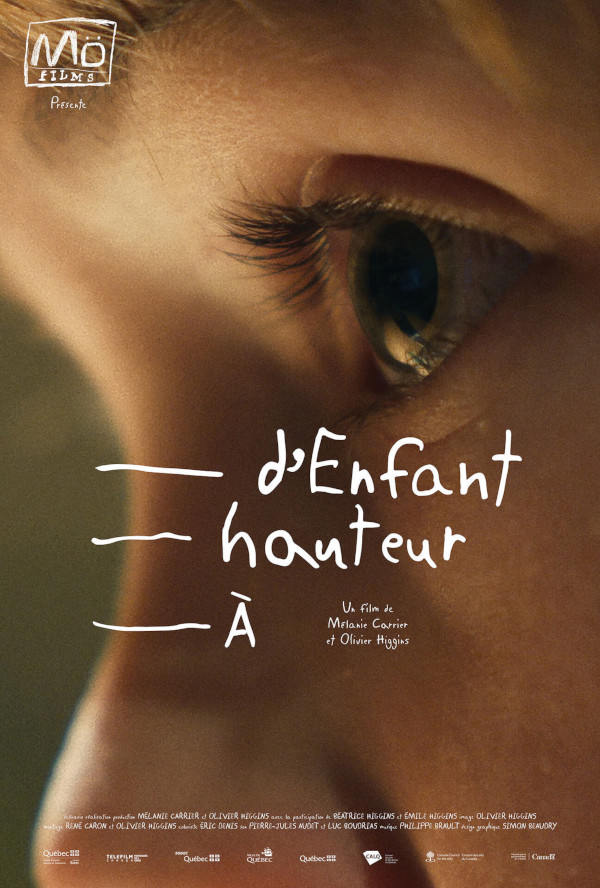
À hauteur d’enfant
Mélanie Carrier
A couple of filmmakers who have become parents wonder how to describe life to their children. What wonders are left to discover? With their camera, they decide to dive into their world, where every little gesture is extraordinary, where everything remains to be told. Little Béatrice—who doesn’t want to grow up—opens the door to her imagination wide, while her older brother Émile, who is learning to read and write, wonders if atoms are alive. Filmed over nearly four years, both at school and at home, and blending a child’s-eye view of cinéma vérité, observational camerawork, and a poetic narrative style, this true cinematic journey invites us to reflect. What do we lose as we grow older? What stories do we most want to pass on?
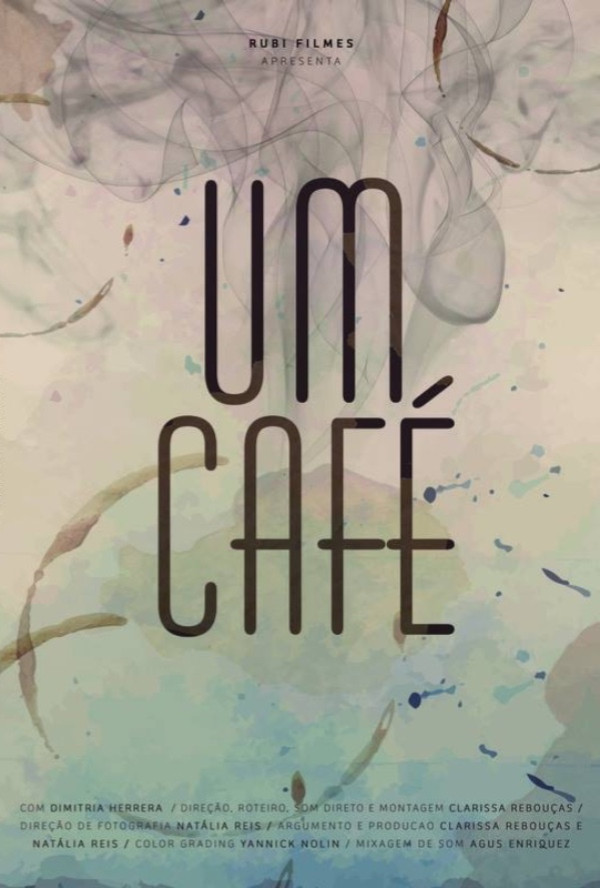
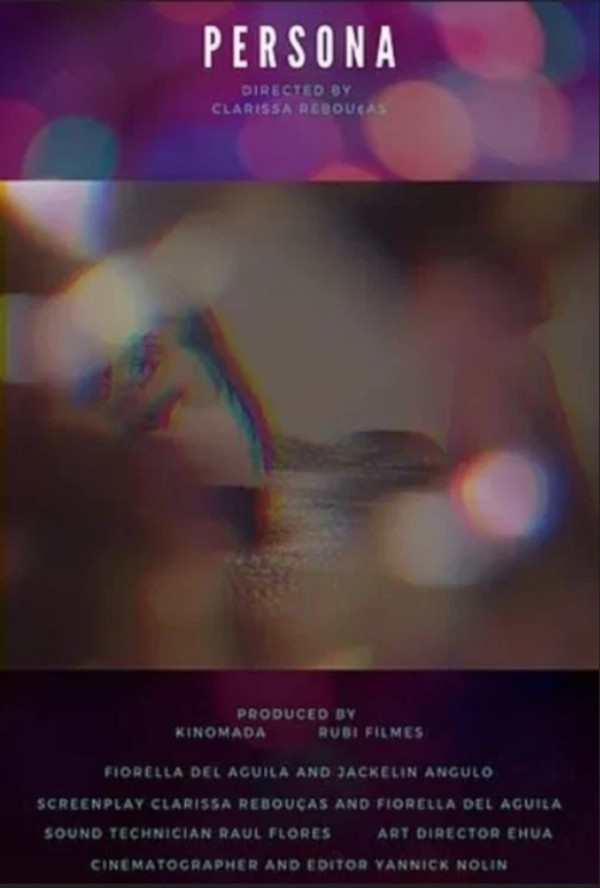
Persona
Clarissa Rebouças
A woman feels the need to share an important truth with her girlfriend – her transsexuality.
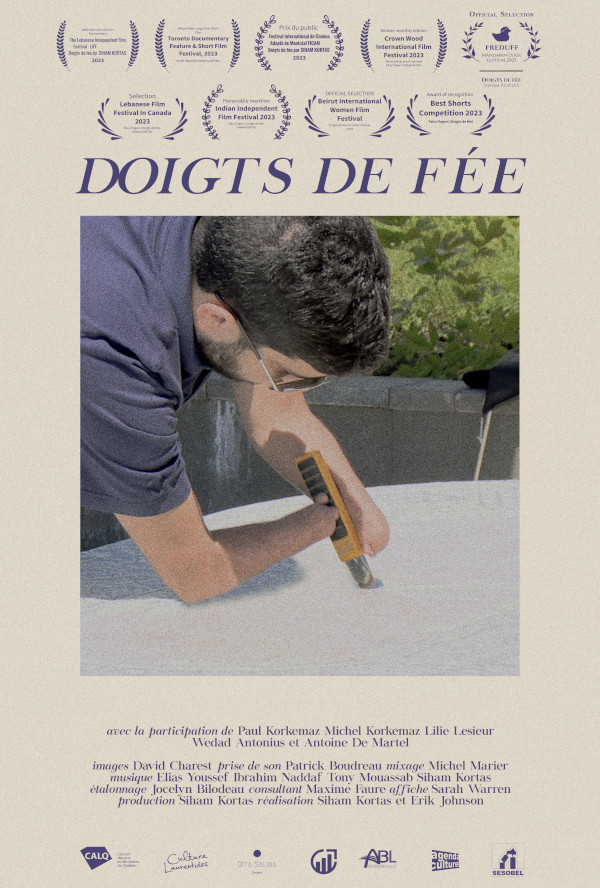
Doigts de fée
Siham Kortas
Fairy Fingers is a documentary that tells the story of my son, who, despite his difference was able to grow up, take on challenges and realize his potential. It’s a story about how I, as a parent, went from a feeling of helplessness to one of pride and fascination.
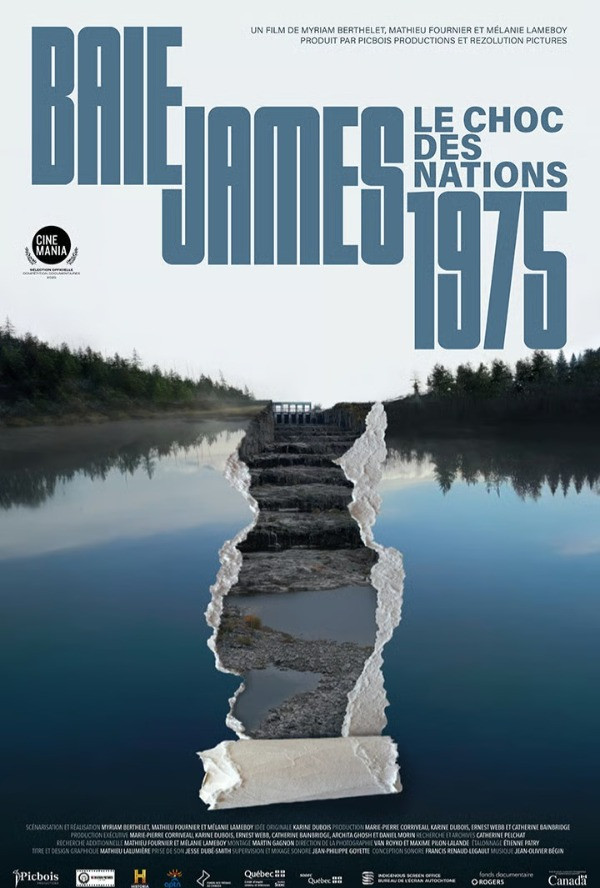
Baie James 1975: le choc des nations
Myriam Berthelet
James Bay 1975: The Shock of Two Nations takes us back to the origins of two major revolutions: the rapid expansion of Hydro-Québec with the construction of the La Grande complex, and the awakening of the Indigenous nations of Northern Quebec. A clash of civilizations where two worldviews collide. Quebec dreams of taking control of its destiny by becoming an energy giant on the continent. Meanwhile, in the North, a new generation of young Cree and Inuit rise up to protect what they hold most dear: their land and their culture. Leaders and witnesses share their stories in this political thriller, which culminates in the signing of the James Bay Agreement in 1975.
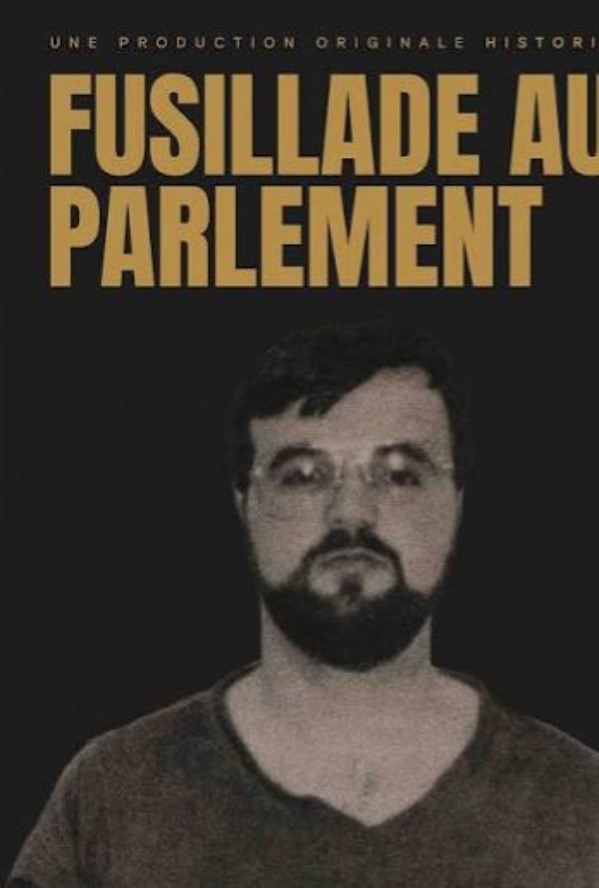
Fusillade au Parlement
Karina Marceau
The documentary Fusillade au Parlement (Shooting at the Parliament) provides a comprehensive account of the tragic events of May 8, 1984. That morning, Canadian Armed Forces Corporal Denis Lortie, heavily armed, stormed the Parliament Building in Quebec City. His stated goal was to kill Premier René Lévesque and the members of the Parti Québécois. Since the elected officials were not in the Salon Bleu at that precise moment, the assault resulted in a terrible toll of 3 dead and 13 wounded, primarily administrative staff of the National Assembly.
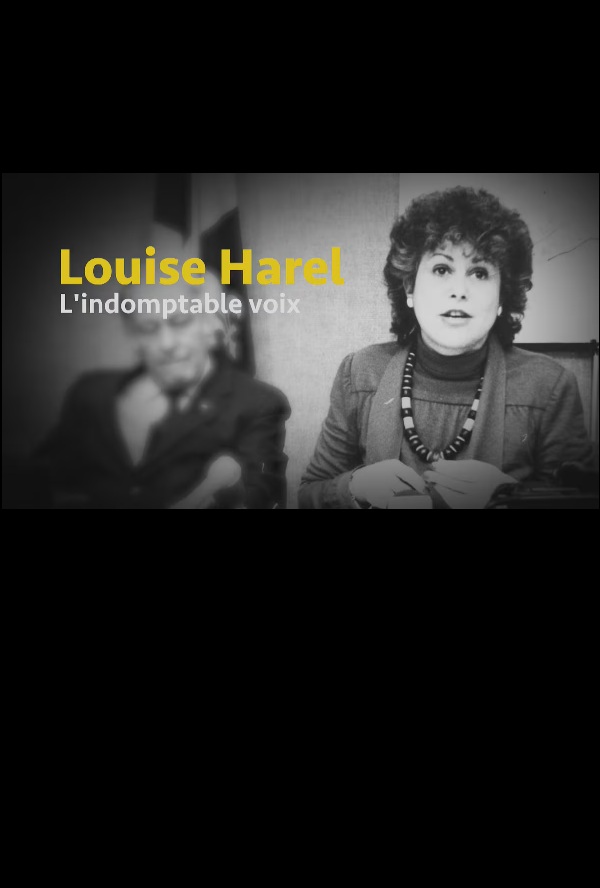
Louise Harel: l’indomptable voix
Karina Marceau
Here is a striking portrait of Louise Harel, a woman of both intellect and heart, a tireless activist and a woman of strong convictions, whose political career has left its mark on Quebec’s contemporary history.