

Online cinema
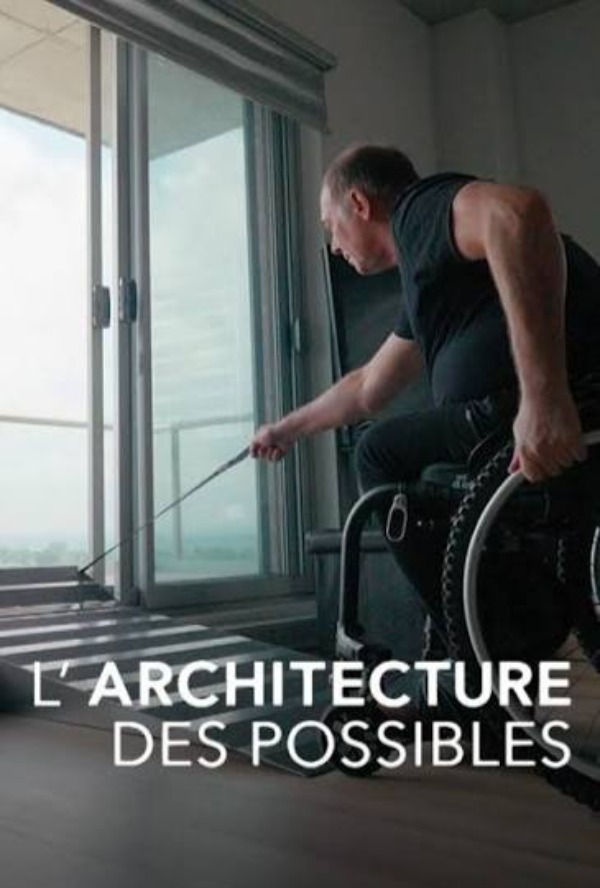
L’architecture des possibles

Karina Marceau
Produced by PVP Media, directed by Karina Marceau, and hosted by Mélanie Labelle, the six-episode documentary series L’architecture des possibles (The Architecture of Possibilities) explores the importance of universal accessibility in everyday living environments. Through stories of resilience and interviews with experts, the series demonstrates how the design of inclusive spaces promotes independence and unlocks human potential.

De la scie au bistouri
Karina Marceau
De la scie au bistouri (From Saw to Scalpel) is a series that traces the history of medical treatments for certain ailments, from the past to the present, to show just how far medicine has come through the trial and error that has marked its history. It also provides an opportunity to explore modern treatments for various health conditions and to see what the future holds in fields ranging from oncology to ophthalmology, including neurology, dentistry, orthopedics, and obstetrics.
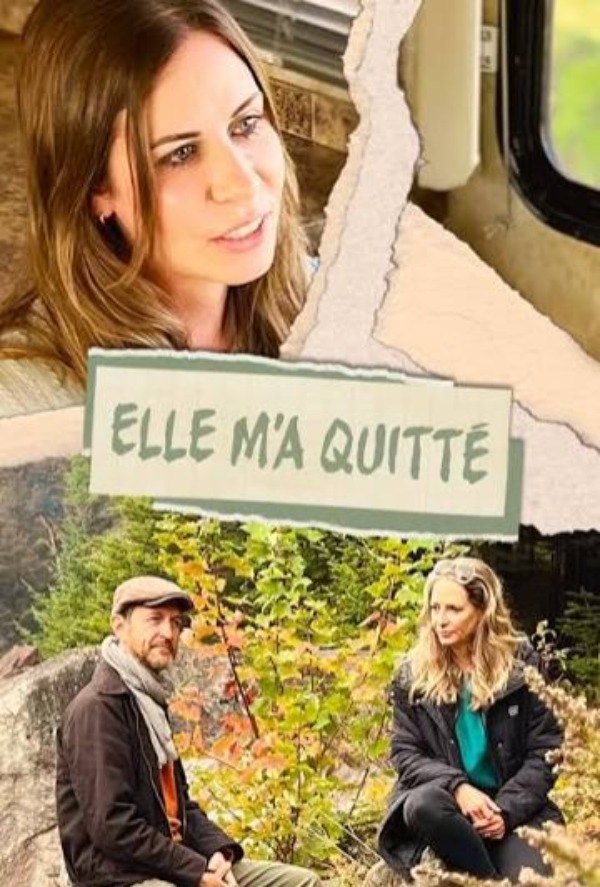
Elle m’a quitté
Karina Marceau
Karina Marceau and Stéphane Crête explore the effects of romantic breakups on men by giving them a voice and examining how to help them cope with their distress during a breakup.
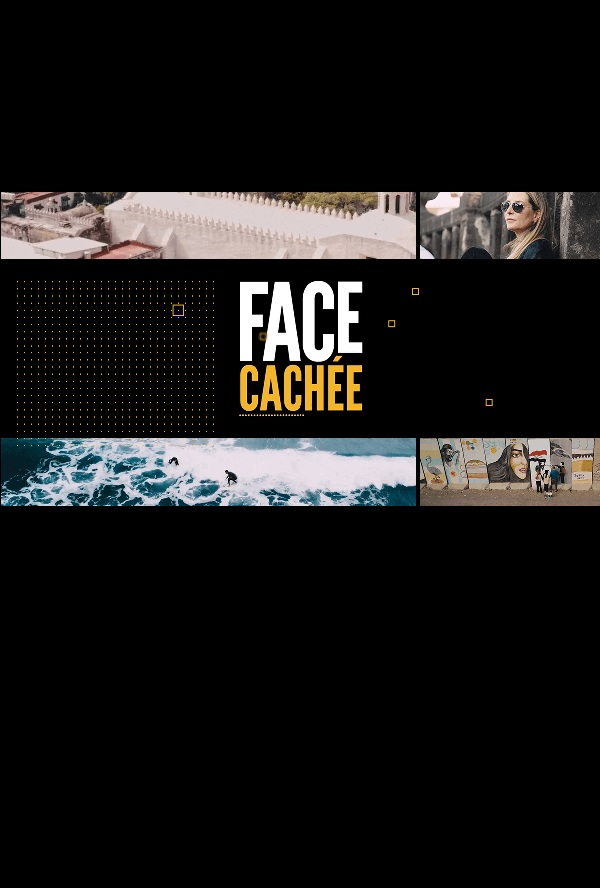
La face cachée
Karina Marceau
This documentary series reveals La face cachée (The Hidden Side) of countries that are often the target of preconceived notions. It debunks stereotypes through discoveries and encounters between journalist Karina Marceau and the people of these countries. Countries visited: Iraq, Azerbaijan, Pakistan, India, Israel, Indonesia, Germany, Ethiopia, Switzerland, Peru, Mexico, South Korea, and Colombia.
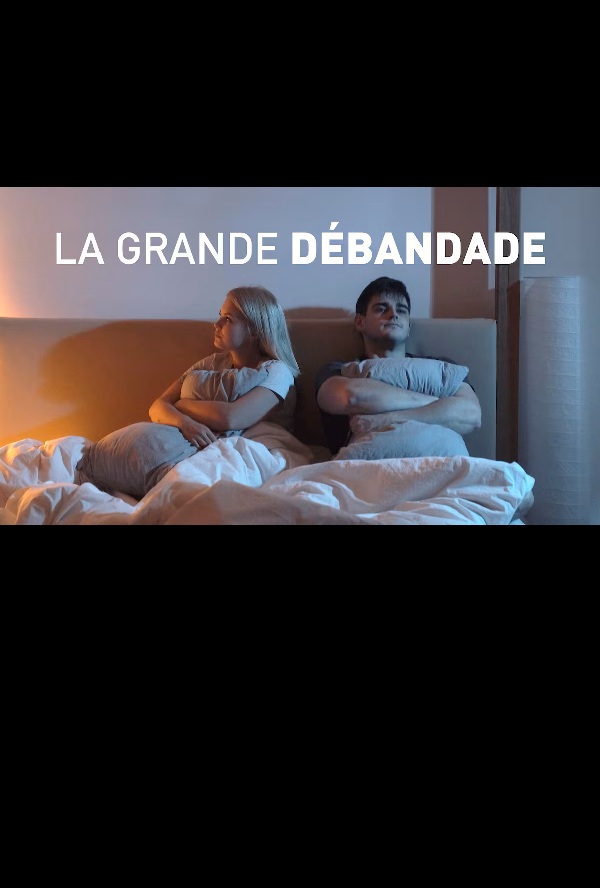
La grande débandade
Karina Marceau
Pornography promotes unrealistic standards that teenagers and young adults strive to meet. These include ideals of sexual performance, penis size, Adonis-like bodies, and endless erections, which, in some cases, cause sexual problems among young people.
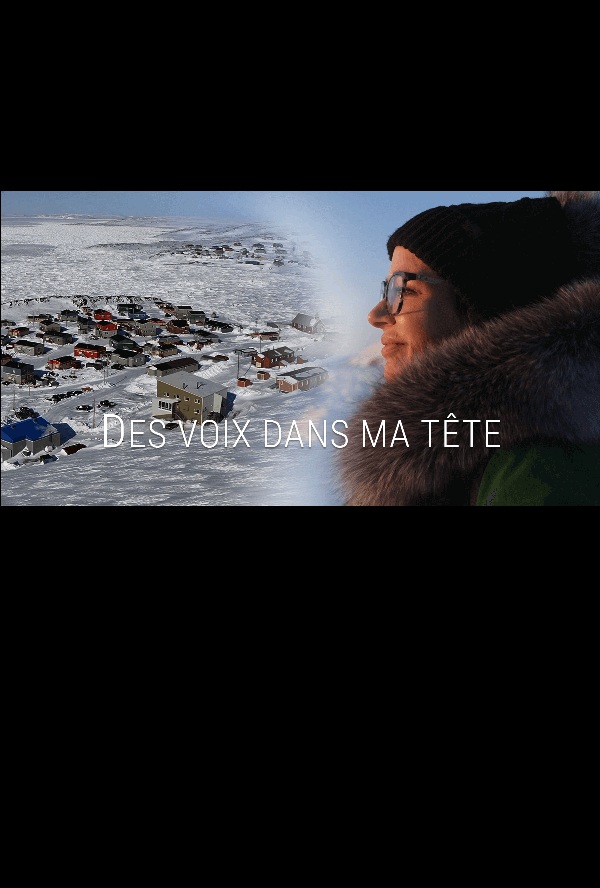
Des voix dans ma tête
Karina Marceau
Psychiatrist Marie-Eve Cotton has been traveling to Nunavik six times a year for nearly 20 years. During her stays in the Far North, she quickly realized that, in addition to the difficult living conditions in Indigenous communities, the approach to mental illness was very different from her usual practice in Montreal. Mental illness is experienced differently from one culture to another, and it sometimes even holds spiritual significance. It was therefore essential for Marie-Eve to learn to navigate cultural beliefs and values that differ from those prevalent in southern Quebec. This documentary follows the psychiatrist as she works to understand mental illness in a completely different way.

Patients de seconde zone
Karina Marceau
Living in a rural area and being sick can be a huge headache and a real financial drain: specialists more than four hours away by car, long and costly trips to receive treatment, and emergency services that are unavailable nearby. This documentary immerses us in the reality of people who must go to great lengths to receive medical care. It explores the impact of this situation on population retention and regional development.
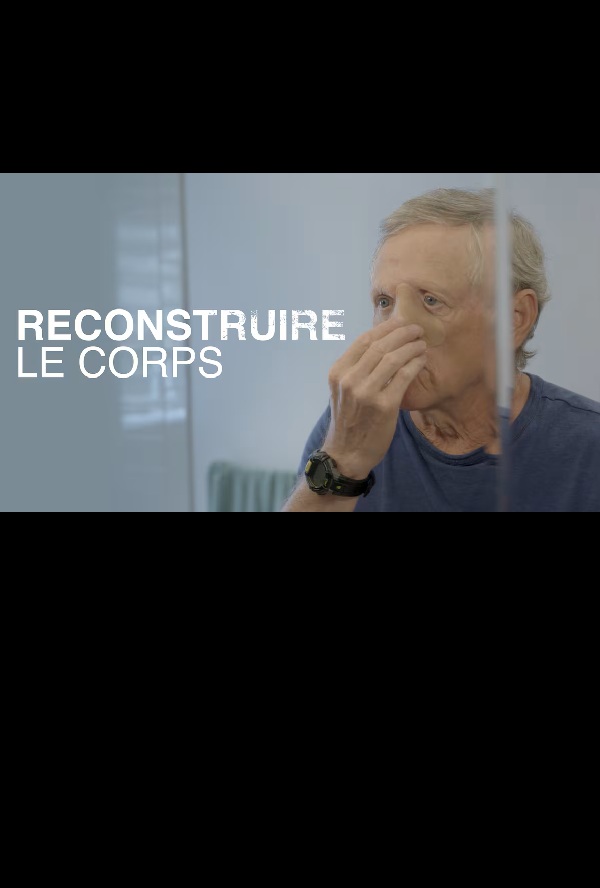
Reconstruire le corps
Karina Marceau
An immersive series that takes us into the fascinating and little-known world of functional plastic surgery. By following extraordinary surgeons and their patients, we discover just how unique each of these procedures is—crafted on a living canvas and showcasing impressive creativity and dexterity.
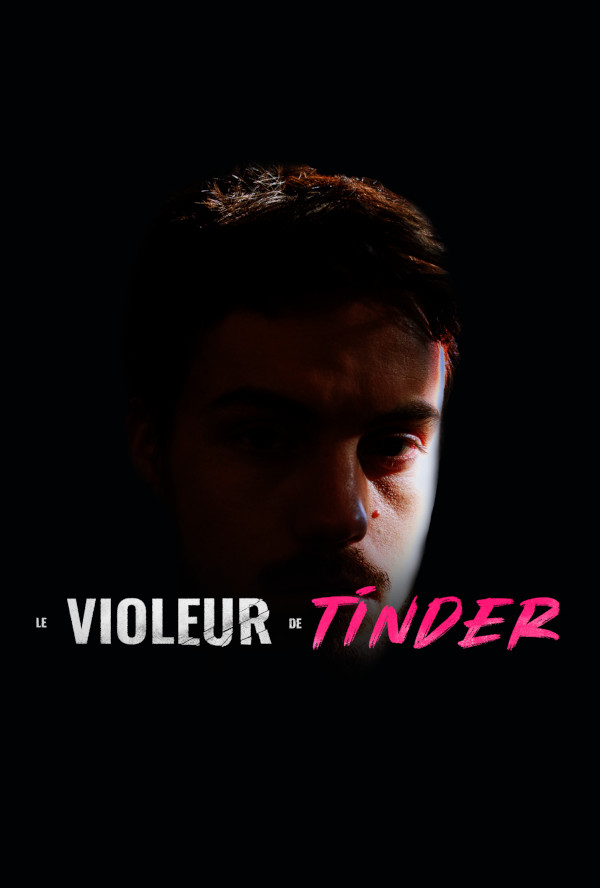
Le violeur de Tinder: l’affaire Samuel Moderie
Vanessa Boisset
The series takes viewers deep into the heart of one of the most high-profile criminal cases of 2024 in Quebec: the case of Samuel Moderie, the man who targeted his victims through dating apps. Drawing on the testimonies of five of the survivors, expert analysis, and reenactments performed by actors and actresses, Le violeur de Tinder (The Tinder Rapist) traces the stories of Samuel Moderie’s thirteen known victims. The series sheds light on the predatory tactics that led to one of the most shocking criminal cases in recent years. Through the survivors’ testimonies and behind-the-scenes glimpses of the investigation, Le violeur de Tinder (The Tinder Rapist) explores the dark side of online dating and examines the fight for justice after the unthinkable has been committed.

Toucher
Vanessa Boisset
For some people with disabilities, sexual assistance is sometimes the only way to experience sexuality. The series Toucher (Touch) explores this taboo topic through personal accounts and the insights of various experts.
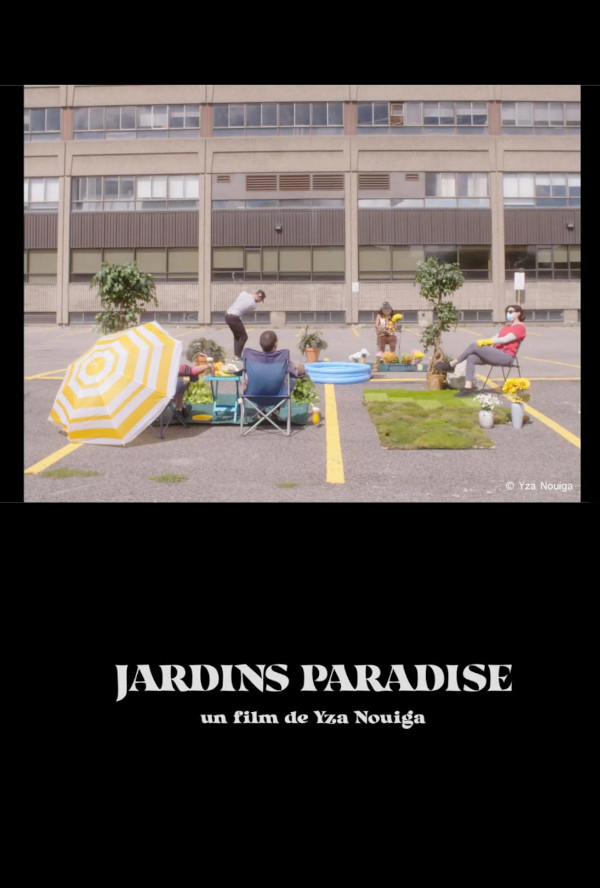
Jardins Paradise

Yza Nouiga
Garden of Eden, jardin à la française, English, Zen, Bahai, Arab-Islamic: Gardens reflect history, culture and heritage. They are some of the rare places where intimacy, gatherings, fun and religion coexist. Jardins Paradise ironically diverts the image of the garden as the embodiment of some paradisiacal Eden. It highlights the civic inventiveness of communities stigmatized by a lack of greenery in their neighborhood as well as the contribution of ethnocultural diversity to the urban landscape.
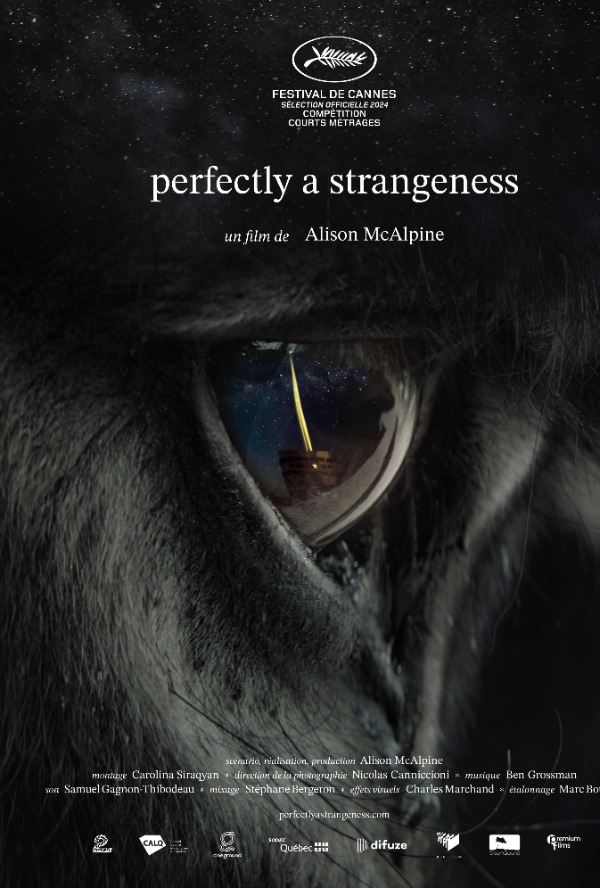
perfectly a strangeness
Alison McAlpine
In the dazzling incandescence of an unknown desert, three donkeys discover an abandoned astronomical observatory and the universe. A sensorial, cinematic exploration of what a story can be.
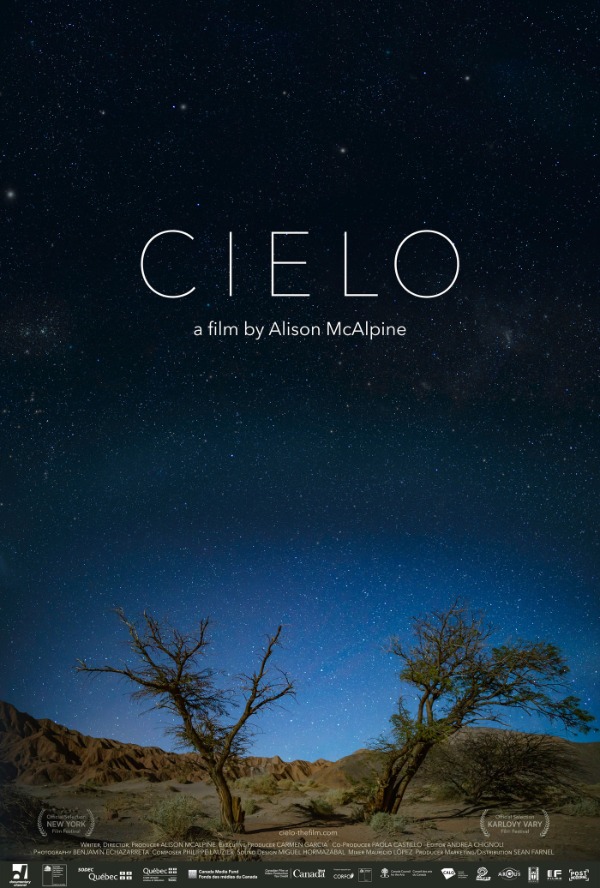
Cielo
Alison McAlpine
Cielo is a cinematic reverie on the crazy beauty of the night sky, as experienced in the Atacama Desert, Chile, one of the best places on our planet to explore and contemplate its splendour. Planet Hunters in the Atacama’s astronomical observatories and the desert dwellers who work the land and sea share their evocative visions of the stars and planets, their mythic stories and existential queries.A love poem for the night sky, Cielo transports us to a space, quiet and calm, within which we can ponder the infinite and unknown.
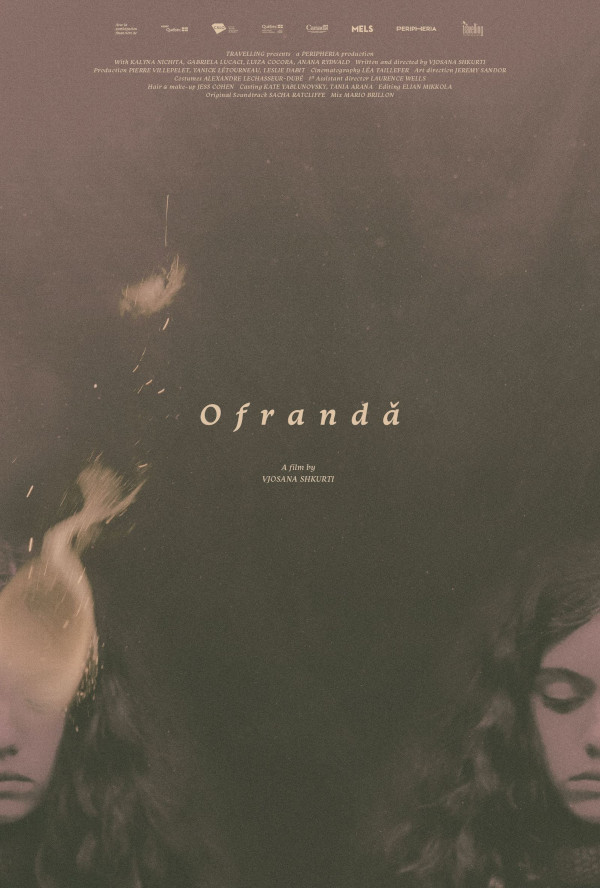
Ofrandā
Vjosana Shkurti
Ina, an introverted 11-year-old immigrant girl, finds herself captivated by Petra, a newcomer to her class from the same country as she is. Faced with her indifference, a desperate quest for connection takes over Ina’s world as she moves between dream and reality.
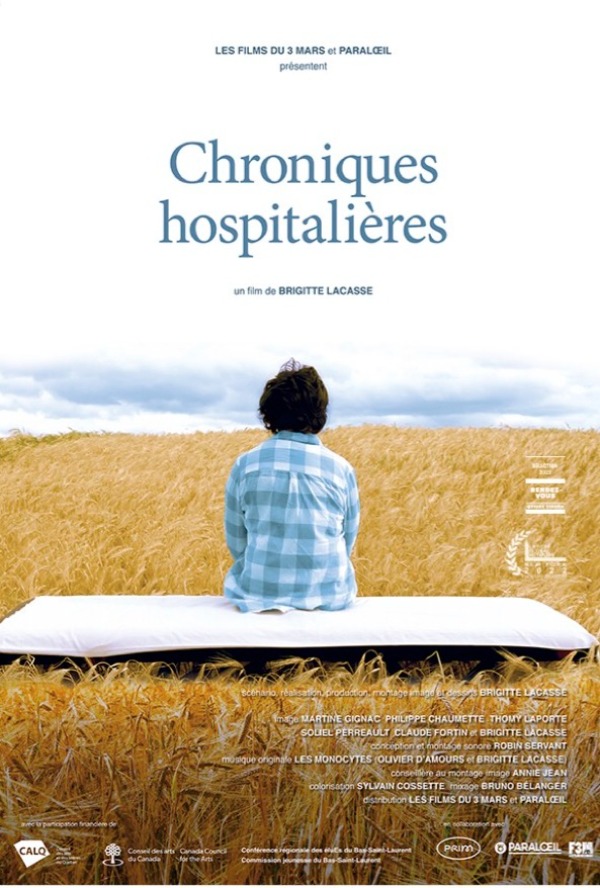
Chroniques hospitalières
Brigitte Lacasse
Through family archives, drawings, animations and performances, multidisciplinary artist Brigitte Lacasse draws on her lengthy battle with illness to examine the institutional care she and her loved ones received over the years. By turns dramatic and self-mocking, this cinematic patchwork takes a close look at the Québec health care system and the alternative treatments on offer.
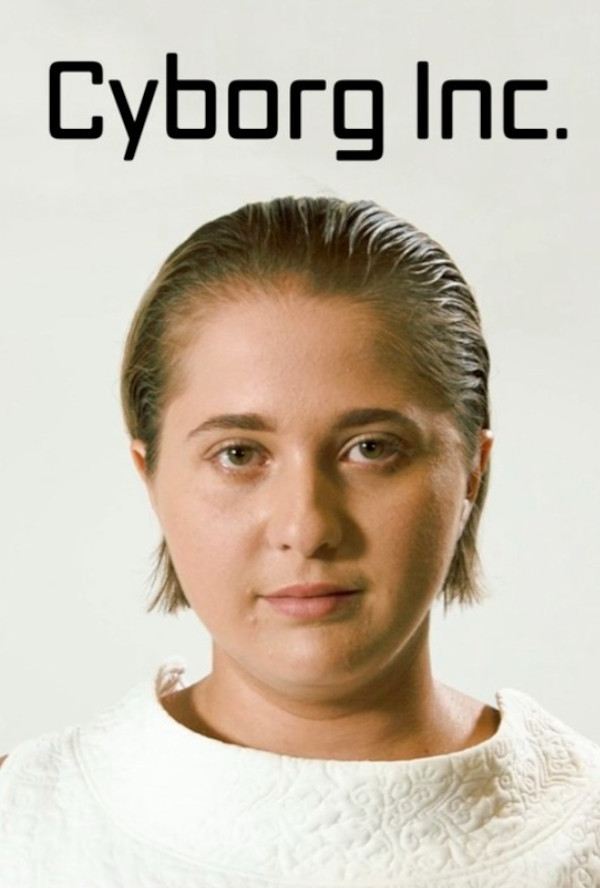
Cyborg Inc.
Sara Demers
While filming an ad to promote its own perfection, a cyborg begins to malfunction…