

Online cinema
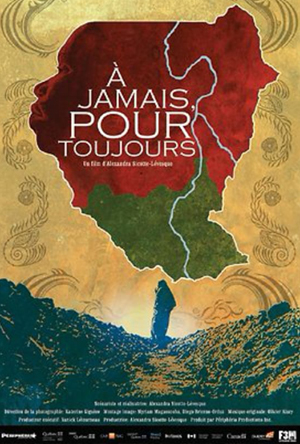
À jamais, pour toujours

Alexandra Sicotte-Lévesque
The Longest Kiss follows the journey of six young Sudanese at the dawn of the separation of their country. Faced with conflicting identities, the youth of North Sudan find themselves caught in the hands of a stagnant and totalitarian regime. South Sudan, however, must build a new country from scratch — but at what cost? For the first time, a film gives voice to young Sudanese of diverse origins, Muslims and Christians. The Longest Kiss paints an intimate portrait of a complex society and its inevitable fragmentation.
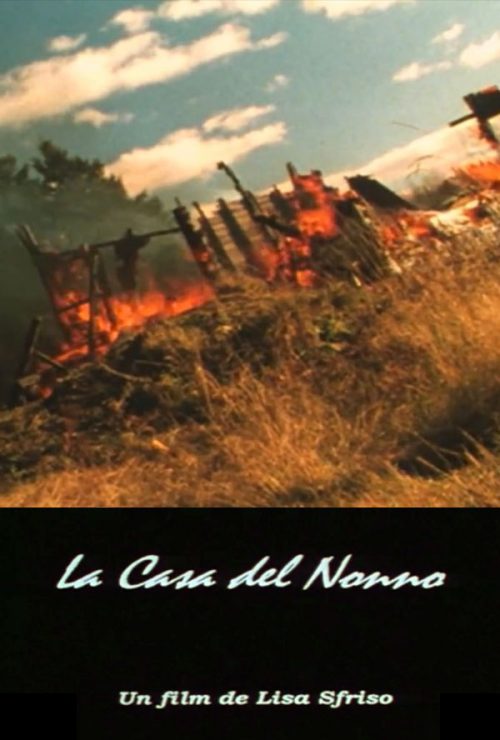
La Casa del Nonno (La maison du grand-père)

Lisa Sfriso
Une maison brûle, des souvenirs refont surface. Un film intimiste sur le deuil et l’absence.
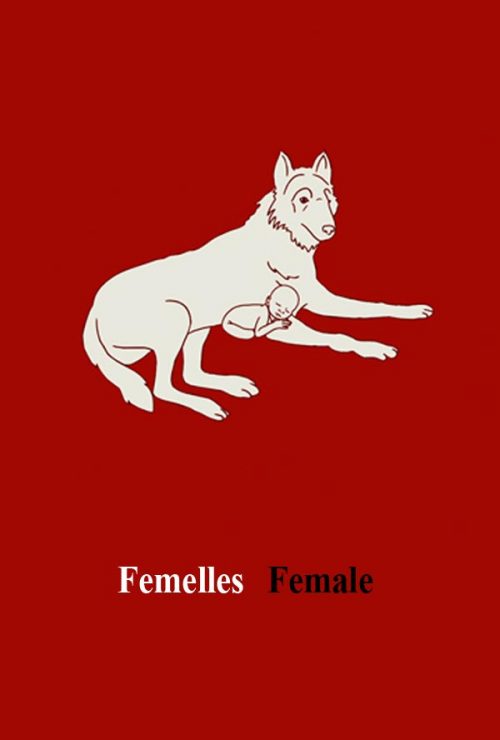
Femelles
Marie-Josée Saint-Pierre
Female is an animated documentary on the difficulties of childbirth and motherhood. Anonymously, woman share their most intimate secrets of the journey towards childbirth and beyond. This film is an insight on the reality of their everyday lives as well as an exploration of the maternal condition. Sometimes surprising, funny and sad, these touching testimonies take us to the world of women that share an exceptionnal privilege, the one of being called Mom…
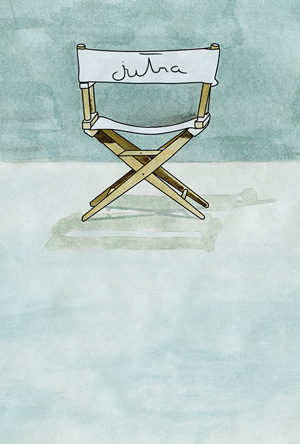
Jutra
Marie-Josée Saint-Pierre
This semi-animated documentary is a creative, colourful portrait of the great Quebec filmmaker Claude Jutra, director of Mon oncle Antoine and star and co-director, with Norman McLaren, of A Chairy Tale. The dimensions of Jutra’s life and work are explored through skillfully assembled archival footage and animated sequences.
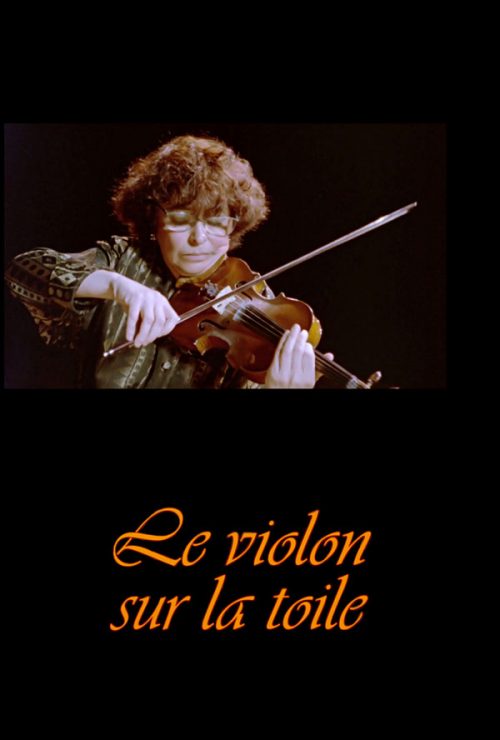
Le violon sur la toile
Michka Saäl
This feature documentary offers a portrait of Moscow-born classical violinist Eleonora Turovsky. Turovsky was the concertmaster of the I Musici de Montréal chamber orchestra, which was founded by her husband, Yuli. We also get a peek at another one of Turovsky’s passions, art, as we discover her works as an accomplished painter.
Zéro Tolérance
Michka Saäl
Being young is tough, especially if you’re Black, Latino, Arab or Asian. In a city like Montreal, you can get targeted and treated as a criminal for no good reason. Zero Tolerance reveals how deep seated prejudice can be. On one side are the city’s young people, and on the other, its police force. Two worlds, two visions. Yet one of these groups is a minority, while the other wields real power. One has no voice, while the other makes life-and-death decisions. When a policy of zero tolerance to crime masks an intolerance to young people of colour, the delicate balance between order and personal freedom is upset. A blend of cinéma vérité and personal testimonies, this hard-hitting film will broaden your mind and change your way of thinking.
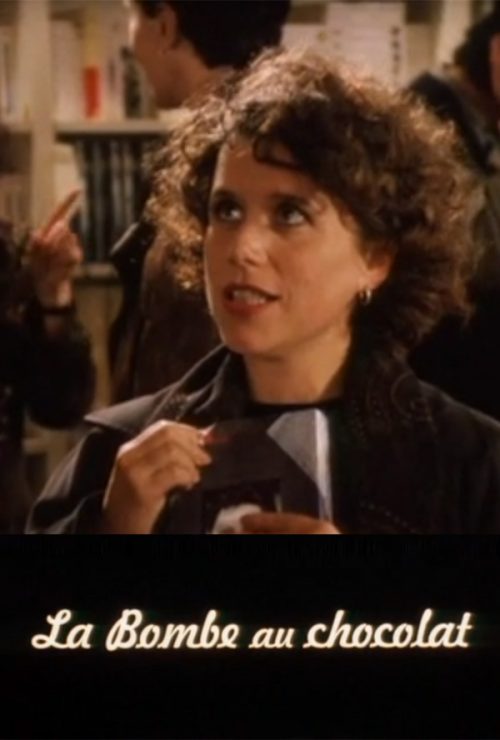
La bombe au chocolat
Sylvie Rosenthal
Une chef cuisinière renommée souffre de boulimie d’information. Lors d’un lancement de livre, elle rencontre l’auteur, un ex-boulimique d’information. Ce tête-à-tête sera révélateur pour la chef qui découvrira sa vraie nature.
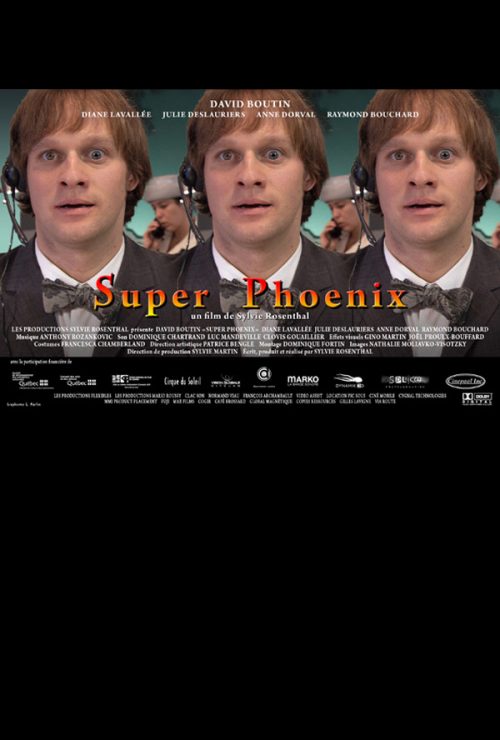
Super Phoenix
Sylvie Rosenthal
Phœnix Jones, un conseiller en voyages de 38 ans, dynamique et trop dévoué, souffre d’un burnout à la suite de plusieurs mises à pied à l’agence de voyage où il travaille.
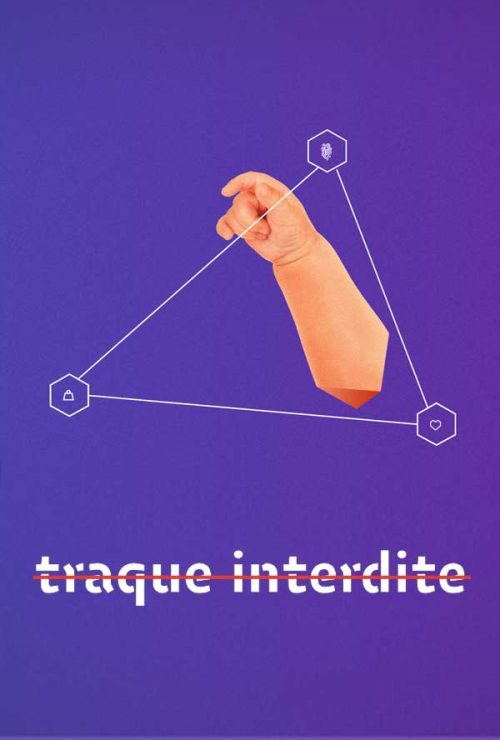
Traque interdite – Big Data: Un monde d’algorithmes
Sandra Rodriguez
Vous avez dit big data? Découvrez par vous-mêmes les règles de l’interprétation algorithmique… Et ses absurdités. Série web documentaire interactive personnalisée, consacrée à la vie privée et à l’économie du Web.
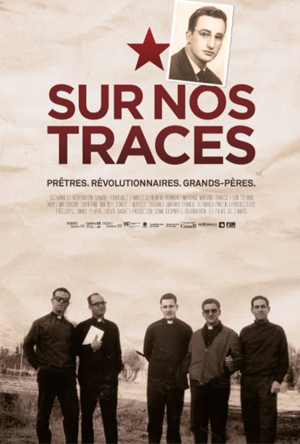
Sur nos traces
Sandra Rodriguez
In 1965, six young Spanish priests – Carlos, Eloy, Antonio, Jesús, Julio and Miguel – arrive in Bolivia, as missionaries. Witnesses to great Latin-American uprisings, they preach a Liberation theology, soon rub shoulders with Che Guevara’s guerrilleros, hide weapons and wounded men. Now in their 70s, they’ve decided to take back their life-changing journey. A witty and joyful trip into memories, Sur nos traces gives voice to six old friends and their surprising destinies.
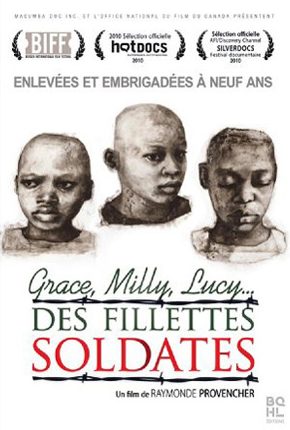
Grace, Milly, Lucy… Des fillettes soldates
Raymonde Provencher
En 20 ans, plus de 30 000 enfants ougandais ont été enlevés par des troupes rebelles pour participer à la lutte armée. Parmi ces enfants soldats, un grand nombre de filles. Grace, Milly Lucy… des fillettes soldates raconte cette réalité méconnue. Mêlant témoignages et scènes de la vie quotidienne, ce documentaire fait resurgir les échos étouffés d’un passé douloureux et ose croire en un avenir meilleur pour ces femmes unies dans une même lutte.
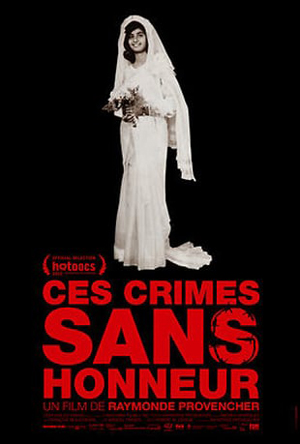
Ces crimes sans honneur
Raymonde Provencher
Comment se fait-il que quelque part sur cette planète, au 21e siècle, un groupe d’individus décide qu’une personne, généralement une femme, en portant atteinte à ce qu’ils appellent « leur honneur », doive mourir? Les crimes d’honneur sont des phénomènes anciens, qui remontent à des temps immémoriaux. Nous les avions crus révolus; et pourtant la réalité nous a rejoint au moment où nous nous y attendions le moins. Des milliers de personnes dans le monde sont tuées au nom de l’honneur. Au Canada, « l’affaire Shafia » a sonné l’heure de notre réveil. En Suède, c’est l’assassinat de Fadime, de la main de son propre père, qui a provoqué l’électrochoc. On tue au nom de l’honneur en Angleterre, en Allemagne, aux Pays-Bas, en France, en Suède, au Canada; et ce phénomène est en constante augmentation. Dans Ces crimes sans honneur, la cinéaste tente de dégager certaines pistes de réflexion à travers l’histoire d’Aruna Papp, une chrétienne d’origine indienne vivant au Canada; de Necla Kelek, une turque vivant en Allemagne ; de Sara, une kurde établie en Suède et d’Arkan, un jeune kurde…
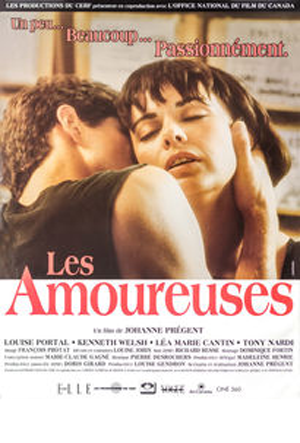
Les amoureuses
Johanne Prégent
Deux femmes, une amitié. Deux histoires d’amour parallèles. Marianne vit une aventure passionnée avec Nino tandis que les amours de Léa et de David s’effritent. Pendant qu’un couple se fait, l’autre se défait. Le choix des deux amies demeure pourtant le même : celui de rompre avec le passé et de plonger dans l’inconnu.
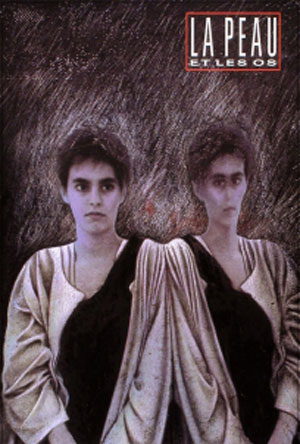
La peau et les os
Johanne Prégent
La peau et les os nous introduit en douceur dans le monde de l’anorexie et de la boulimie. Les héroïnes de ce film ont en commun leur jeunesse et leur charme… Ainsi qu’une terrible tendance à vouloir disparaître. Pourquoi?
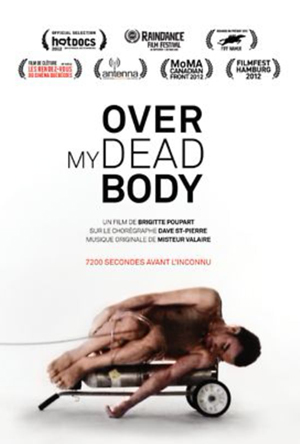
Over My Dead Body
Brigitte Poupart
Danseur, chorégraphe, Dave St-Pierre, est encensé tant par la critique que le public, ses pièces innovantes et subversives font le tour de l’Europe. Toutefois, la vulnérabilité de son corps le rattrape. Dave St-Pierre, 34 ans, est atteint de fibrose kystique. L’espérance de vie moyenne est de 37 ans et les médecins ne lui donnent que deux ans à vivre s’il ne reçoit pas de greffe de poumons. Sous le signe de l’urgence, son amie et complice, la metteure en scène et comédienne Brigitte Poupart nous plonge dans le quotidien de celui qui, à tout moment, espère l’appel du médecin.
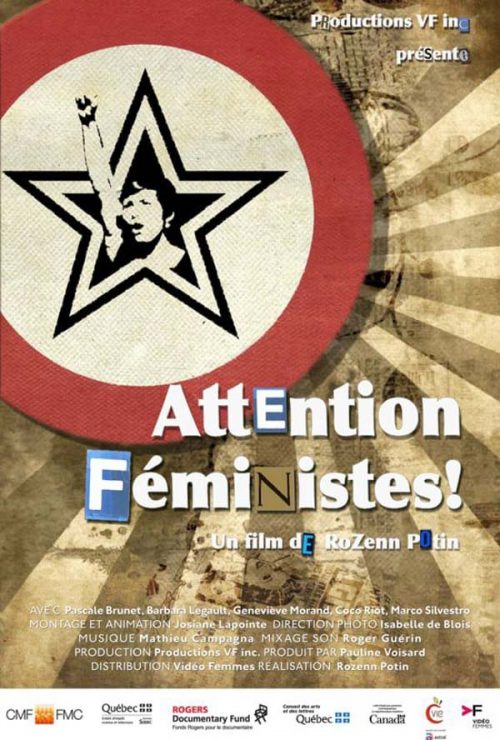
Attention féministes!
Rozenn Potin
Portrait de jeunes féministes contemporaines. Geneviève, Barbara, Pascale, Coco et Marco : autant de manières d’être féministe aujourd’hui! À une époque où on a déclaré la mort des idéologies, ces jeunes croient encore en un monde meilleur! À travers leur engagement personnel et social, nous découvrons le «nouveau» visage du féminisme, celui des filles et des gars des générations X et Y. Un mouvement dynamique, un mode d’action à la fois drôle, pertinent, «sexy» et combatif, démontrant qu’il y a encore plein de manières de revendiquer l’égalité.
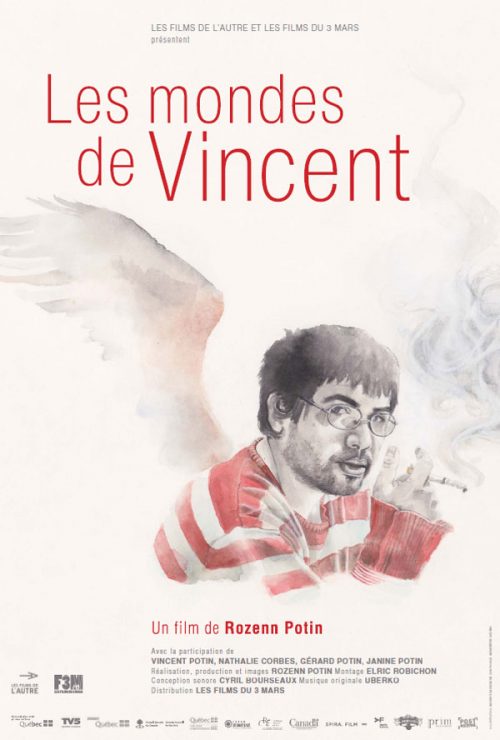
Les mondes de Vincent
Rozenn Potin
Les mondes de Vincent est un voyage initiatique et intimiste au pays de la folie. Une incursion dans l’univers de la schizophrénie comme on l’a rarement vu, une rencontre entre un frère et une sœur sur la route de la vie avec comme trame de fond un questionnement sur la maladie mentale, le handicap, l’acceptation, la famille, l’amour…
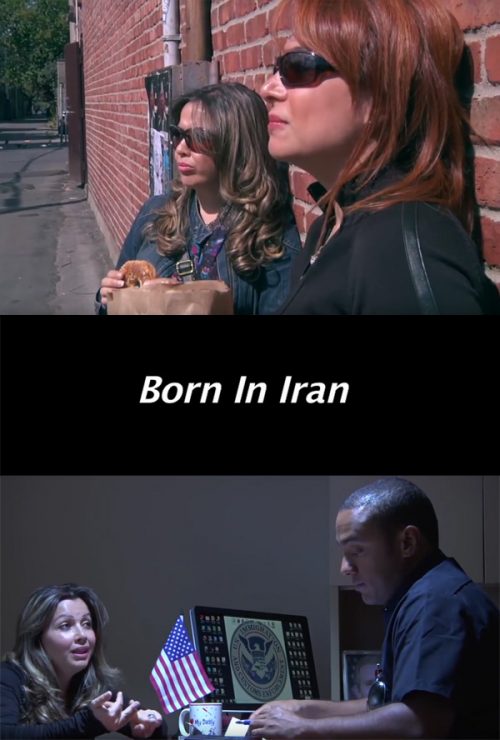
Born in Iran
Jeanne Pope
Two Iranian-Canadian friends, one muslim and one jewish, travel to the US to visit family and are stopped at the border because they were born in Iran. A portrait on pre-judgements . . .
Chez Lise
Jeanne Pope
Two lovers, Deanna and Gordon, institutionalized with mental health problems for most of their adult lives, struggle to find normality on the outside world.
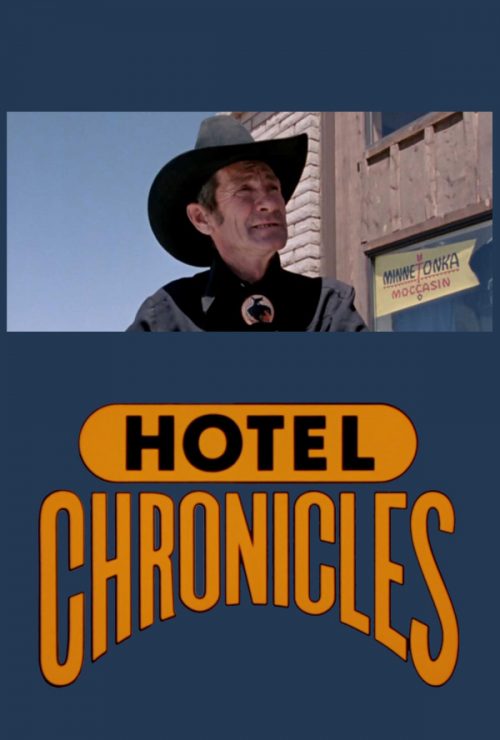
Hotel Chronicles
Léa Pool
D’hôtel en motel partout à travers l’énorme pays, la caméra pose sa lentille devant des citoyens animés ou désillusionnés par le rêve américain, alors que tout le monde cherche ses 15 minutes de gloire et que certains privilèges sont menacés.
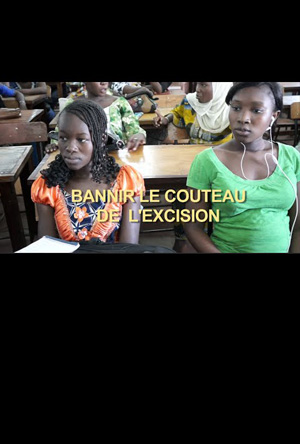
Bannir le couteau de l’excision
Erica Pomerance
Documentaire sur l’excision. Caravane des Jeunes Non aux Mutilations génitales féminines organisée en 2013 dans les écoles de santé à Bamako Mali pour cibler de futurs infirmières, sages femmes et techniciens de la santé. Une initiative de l’Association pour le progrès et la défense des droits des femmes (APDF) en partenariat avec Forward Germany.
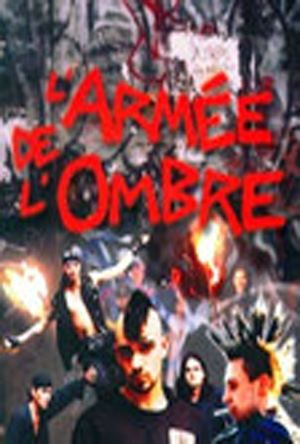
L’armée de l’ombre
Manon Barbeau
Ce long métrage documentaire de la cinéaste Manon Barbeau donne la parole aux jeunes de la rue. Il bouscule les clichés habituels en donnant pour une rare fois la parole à ces laissés-pour-compte de la nouvelle génération. Soudainement, ces éternels coupables deviennent à leur tour juges du monde qui les entoure et ils nous renvoient une image surexposée de la détresse qui conduit tant de jeunes hommes à mettre fin à leurs jours.
Alain Dubreuil, artiste-démolisseur
Manon Barbeau
Court métrage documentaire sur la récupération en tout genre. Des objets pour en faire autre chose, de la réalité pour en faire de la fiction, de la fiction pour en faire du documentaire. C’est un film sur l’abolition des frontières, sur la poésie et la liberté. Nous vivons dans un monde où les réalités sont multiples. Elles valent pour ce qu’on en fait. En les détournant de leur utilité première, en les recyclant dans la vie ou au cinéma, on recycle le quotidien lui-même. De ce regard neuf sur le réel naît la poésie.
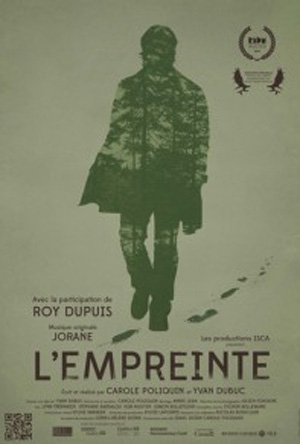
L’empreinte
Carole Poliquin
Notre rencontre historique avec les Premières Nations a-t-elle influencé l’identité québécoise? Un film qui jette un nouvel éclairage sur l’origine de nos comportements collectifs, sur ce qui fait de nous une société distincte.