

Online cinema
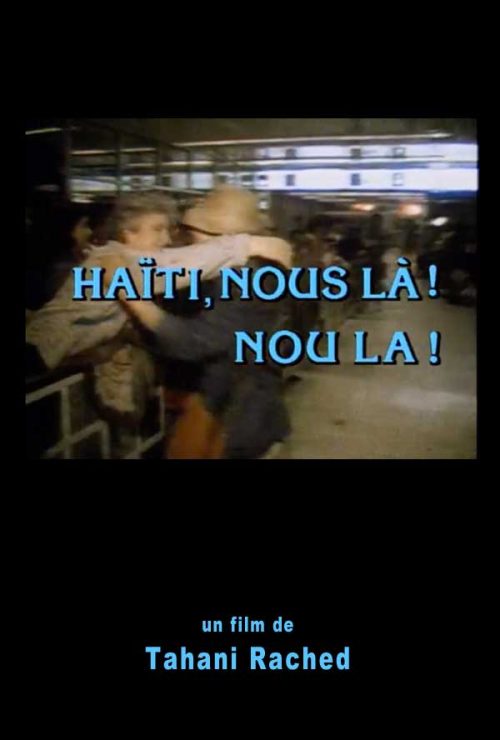
Haïti, Nous là! Nou La!

Tahani Rached
From Haiti, images and testimonies that describe the climate that reigned during the aborted elections of November 29, 1987. A powerful military police in the service of a despotic power terrorized an impoverished people that they wanted to keep submissive. The government had succeeded in ousting Duvalier. However, another dictatorship has taken over, and nothing has changed. However, both on the radio and in the streets, the voice of the Haitians was heard with strength and courage. But what if it was all a sham of democracy?
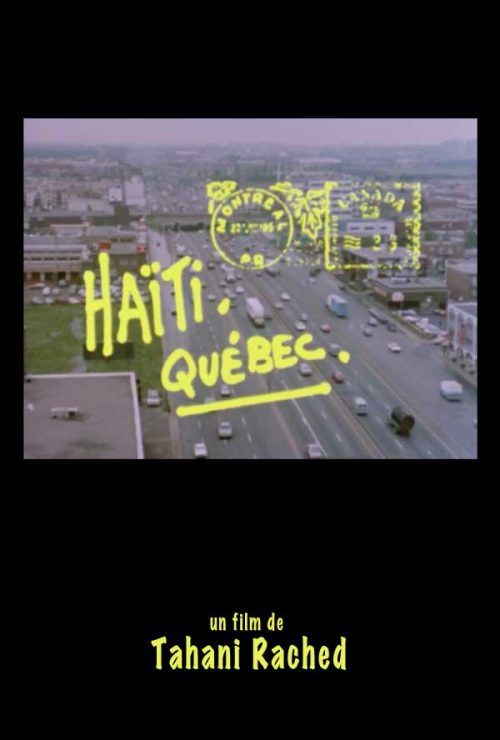
Haïti (Québec)
Tahani Rached
Feature documentary on the Haitian community in Montreal. There are more than 40,000 Haitians living in Quebec, the vast majority of whom live on the island of Montreal, where they are often the target of prejudice, hostility and contempt. This film aims to catalyze our attention, by taking us to witness this cruel reality. Yet, if they left their homeland, it was to escape repression, poverty, and find a better life elsewhere – here – in Canada. Did they find it? Perhaps they have obtained work here and the right to speak and act freely. But are they understood, loved and respected for all that?
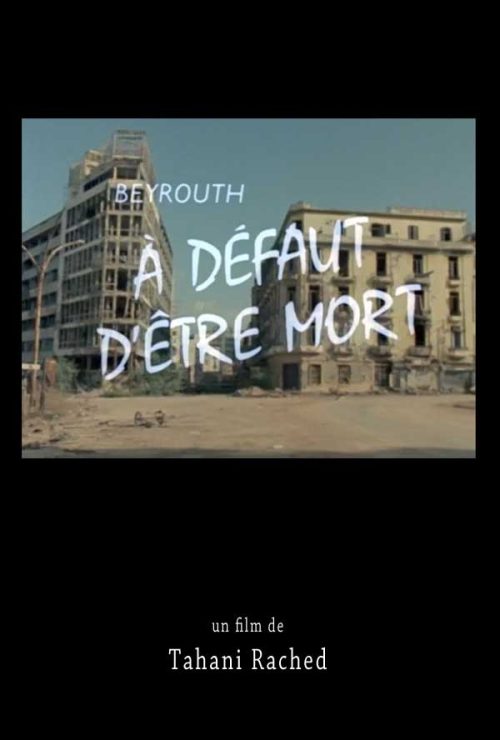
Beyrouth! «À défaut d’être mort»
Tahani Rached
A gripping plea against war, a poignant testimony of Lebanese survivors, especially those who escaped the Sabra and Shatila massacres, this film will be of interest not only to those concerned about the situation in Lebanon, but also to all those who are concerned about the consequences of wars on civilian populations – the so-called collateral damage
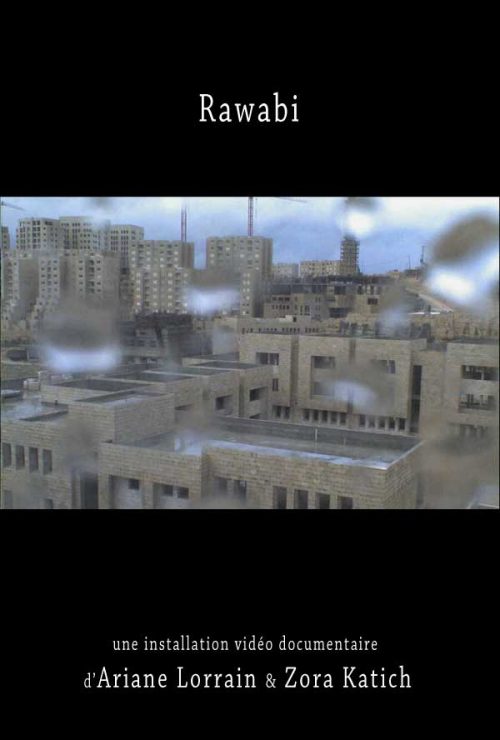
Rawabi
Ariane Lorrain
3-channel video installation about Rawabi, a new Palestinian planned city under construction in the outskirts of Ramallah. This new city provoked land confiscations from the residents of the neighbouring villages and its architecture mimicking Israeli settlements. A triptych presenting different perspectives and unveiling secrets about this process. Screen #1 DV capture, B&W and colour, no sound, 20min loop. The making of the city : still cranes, ghost town, ambivalence between construction and destruction. All the images were taken from security cameras filming the building site of Rawabi 24/7. Screen #2 HD video, colour, with sound, 33min. Interviews with residents, land owners and farmers from the neighbouring villages Ajul and Attara, telling of the confiscation of their lands, their issues with the PA and what they believe is behind Rawabi. A land lawyer from Ramallah gives insights on land acquisition and the Area A, B and C division of land in the West Bank. Screen #3 HD video, colour, with sound (music), 6min. Experimental portrayal of Rawabi’s narrative using found-footage – promotional videos and realtor’s presentation – to show the fabrication…
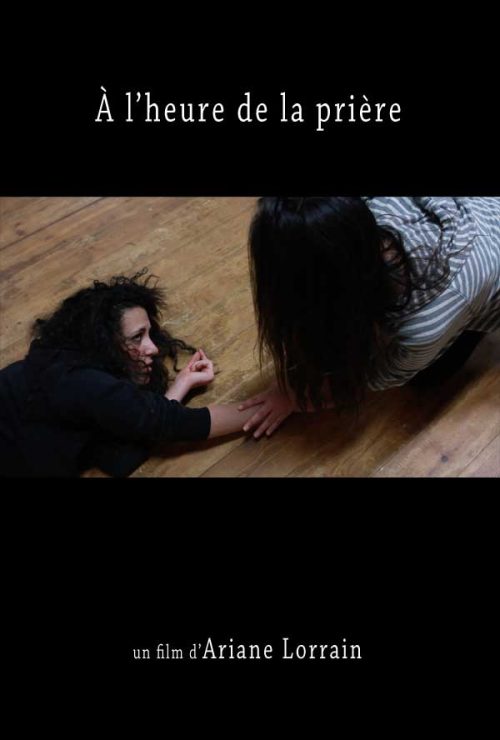
À l’heure de la prière
Ariane Lorrain
In a small art center in Occupied Jerusalem, a group of young Palestinians meet in order to explore their own personal narratives and creative paths of expression, using their body as the central tool of creation. This unchoreographed dance film exposes the complex relation to the body – with the self, the other and society beyond the space’s walls. Shot with the young actors of the Hakawati, the Palestinian National Theater in Jerusalem, during the expressive movement workshops given by Mai Sim.
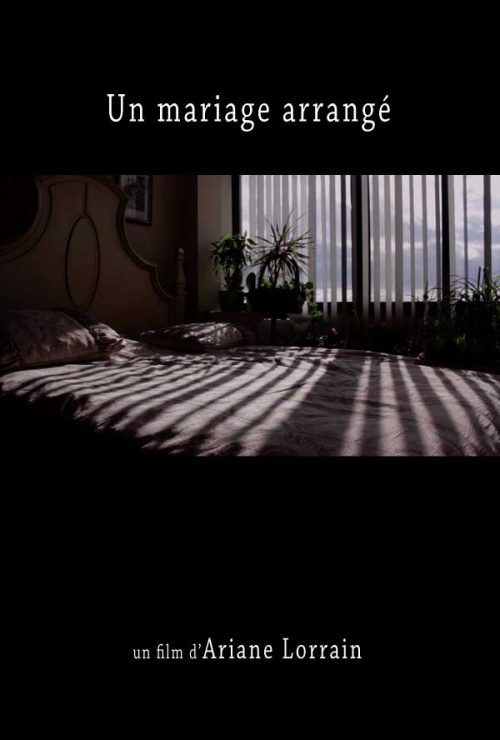
Un mariage arrangé
Ariane Lorrain
A grandmother tells her granddaughter the story of her forced marriage as a child in Iran. Through three generations of women, the film traces a genealogy of marriage — whether arranged, out of love, or a sham.
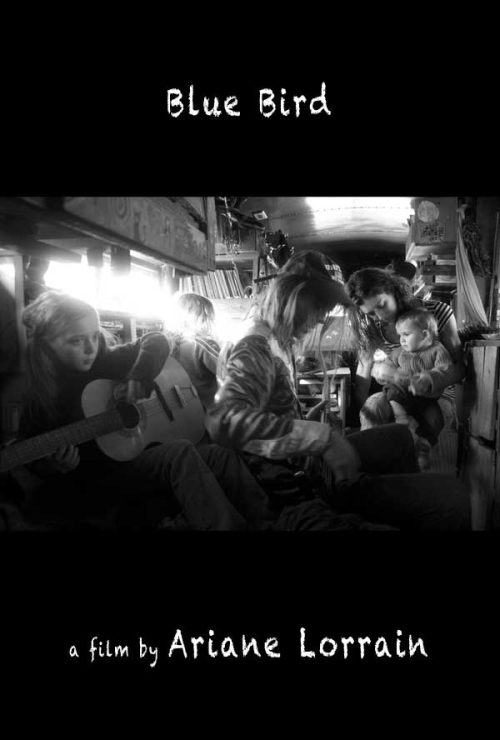
Blue Bird
Ariane Lorrain
Portrait of a family of five living in a school bus, pursuing the dream of a nomadic lifestyle.
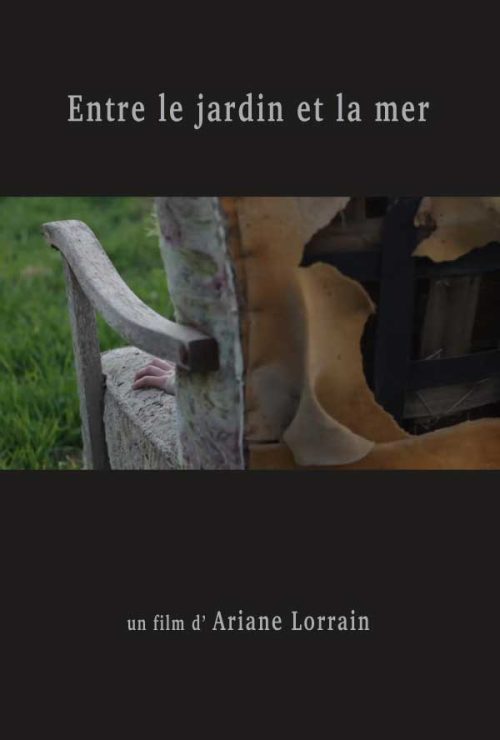
Entre un jardin et la mer
Ariane Lorrain
This visual poem documents the fragmentation of territory in Palestine. Composed of excerpts of letters and poems, it’s in an intimate tone that we embark on a journey from the West Bank hills to the Mediterranean Sea. A short distance made long by detours, checkpoints and dead ends, it inspires suffocation at times, liberation at others.
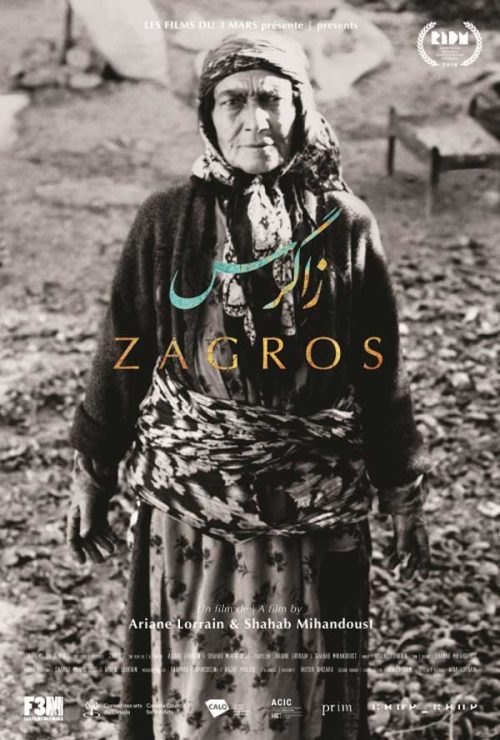
Zagros

Ariane Lorrain
Zagros follows the creation of hand-made carpets across the Zagros mountains in Western Iran, the land of Bakhtiaris. Wool is the guiding thread that traverses the worlds of weavers, dyers and shepherds, revealing nomadic and sedentary cultures through labour. Carpets weave the social fabric of their lives, giving it form as well as colour. The work is hard, and is gradually being devalued by the outside world – but their lives are redeemed because of the love they feel for their traditions.
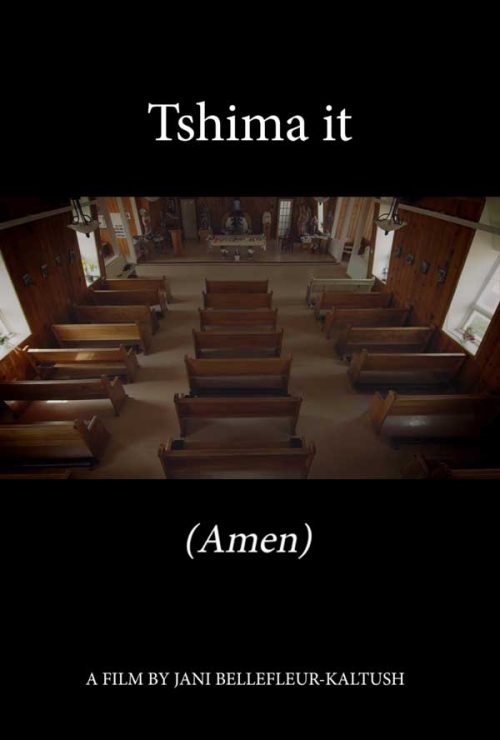
Tshima it (Amen)
Jani Bellefleur-Kaltush
The Innu language is being lost. You don’t notice the strength of a loss until you stop and admire it.
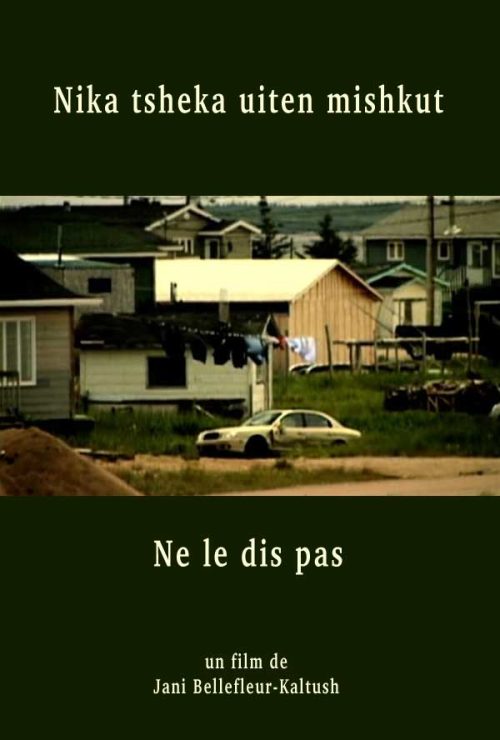
Nika tsheka uiten mishkut (Ne le dis pas)
Jani Bellefleur-Kaltush
A life is forever changed by rumors in this raw and sincere portrayal of a woman struggling to make sense of her past.
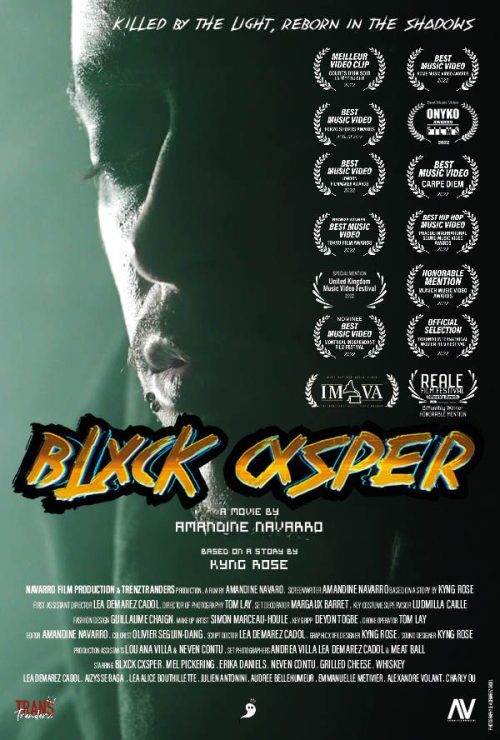
Blxck Cxsper
Amandine Navarro
Blxck Cxsper is the most wanted anti-superhero in town. He fights against the injustice and hypocrisy of the system. He communicates with his audience by slipping coded messages through the darkness. Previously called The Flare, he worked under the tutelage of another superhero, Citadel, a symbol of American capitalism. The latter murdered The Flare’s girlfriend. Overcome by pain, he disappeared and turned into the dark side. He was accused of the murder and tracked by the most influential organization in the country, “The Legacy Foundation”. After several months, he decided to come back.