

Online cinema
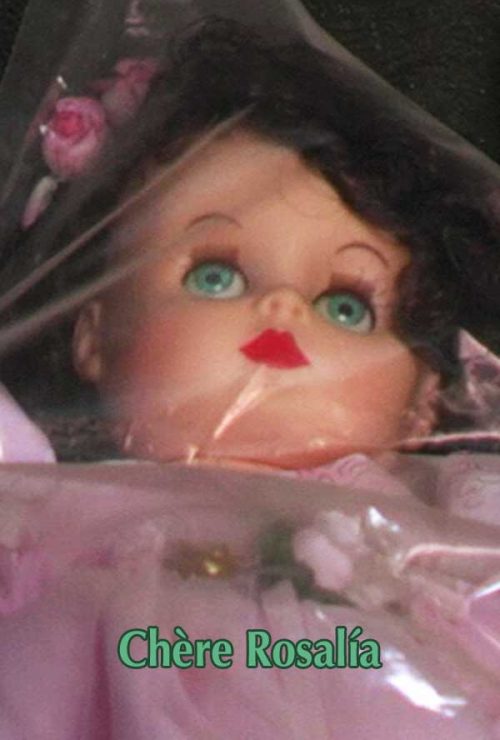
Chère Rosalía

Karine Van Ameringen
Iphigénie Marcoux-Fortier
Dans la petite communauté de San Isidro Aloapam, au Mexique, 70% de la population vit de migration. Il y a déjà longtemps que Rosalía n’y est plus qu’en photo, juste à côté des peluches emballées, dans la maison qu’elle a financée grâce à son travail au Nord. Sa mère, Rosenda, lui envoie une lettre vidéo. Un court métrage qui parle d’une longue absence.

Brown Women, Blond Babies

Marie Boti
Des milliers de femmes philippines quittent chaque année leur pays et leur propre famille pour joindre les rangs des travailleuses domestiques étrangères au Canada. Mais leurs conditions de vie et de travail dans la terre promise laissent beaucoup à désirer.
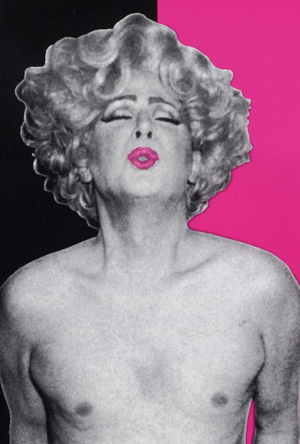
Lip Gloss
Lois Siegel
Lip Gloss is a documentary introducing a behind-the-scenes look at female impersonators. There’s something for everyone: long legs, swivel hips, stuffed girdles, and bouffant hairdos. Lip Gloss exposes the lives of transvestites, transsexuals, drag queens and female impersonators. Shop with them for lingerie and high heels, meet them backstage as they transform from male to female, learn about their “extra curricular” occupations and family life.

Le Profil Amina
Sophie Deraspe
Amina Arraf, jolie révolutionnaire Américano-Syrienne, entame une relation érotique en ligne avec Sandra Bagaria, jeune professionnelle montréalaise, avant d’initier un blogue au nom provocateur de «Gay Girl in Damascus» (Une fille gaie à Damas). Alors que la révolution syrienne se met en place, le succès du blogue est fulgurant. Mais c’est le kidnapping d’Amina qui déclenche une mobilisation internationale pour la faire libérer. Tel un polar impliquant les services secrets et les grands médias du monde, le film nous conduit de San Francisco à Istanbul, de Washington à Tel Aviv, en passant par Beyrouth, à la rencontre des personnes qui ont joué un rôle clé dans cette histoire technologiquement unique à notre époque, celle des relations et de l’information virtuelles.
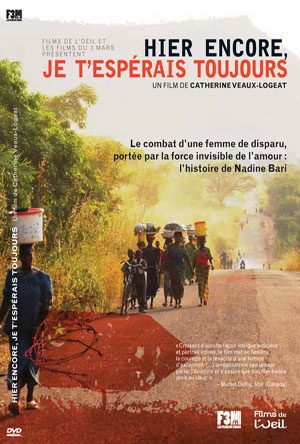
Hier encore, je t’espérais toujours
Catherine Veaux-Logeat
Nadine Bari leads us down the roads of Guinea in search of her Guinean husband. Along the way, she recounts her long battle with political authorities to find out the truth about her husband’s disappearance. Full of great hope and profound despair, her story resembles that of thousands of women still seeking the truth about the fate of their missing husbands, fathers, brothers and sons. Inspired by Nadine Bari’s autobiographical novels, Yesterday Still Hoping goes to the heart of both her investigation and her story of enduring love.
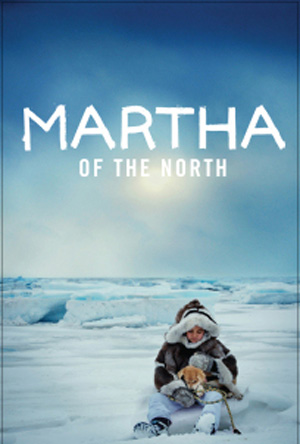
Martha qui vient du froid
Marquise Lepage
With original music by Elisapie Isaac, this feature documentary tells the story of Martha Flaherty, who has lived a good part of her life in the “North Pole”. In the mid-1950s, under false promises of a better life, the Canadian government deported and abandoned Inuit families in the high Arctic. It was in this frozen wasteland that Martha and her family experienced one of the darkest and most misunderstood pages in Canadian history.
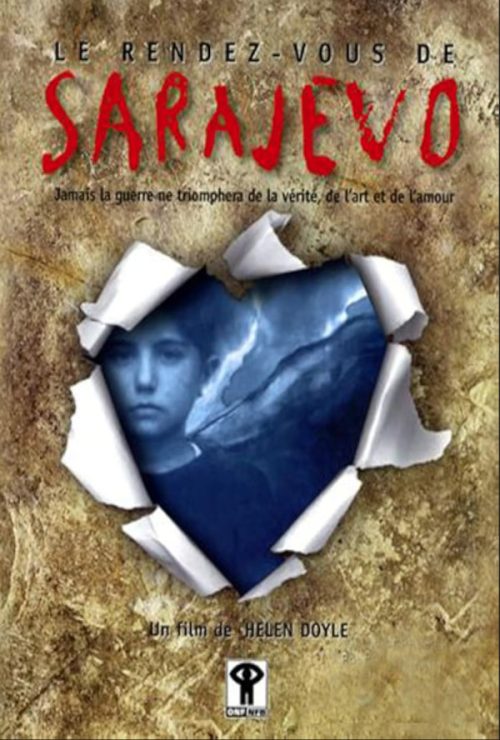
Le rendez-vous de Sarajevo
Helen Doyle
On tire sur Sarajevo, sur les rêves et les idéaux de sa jeunesse. Ce long métrage documentaire nous ramène en 1992, alors que Mahir a 17 ans, Jelena 19. Ils vivent aujourd’hui au Québec. Le temps d’un film, Jelena retourne sur les lieux d’un conflit qui l’a transformée à jamais. Opposant à la barbarie les armes de la culture et de l’espoir, la cinéaste fait appel au photographe Louis Jammes, qui a placardé en 1993 les murs de Sarajevo d’immenses sérigraphies d’enfants. Traversé par ces visages de l’innocence, Le rendez-vous de Sarajevo nous convainc que jamais la guerre ne triomphera de la vérité, de l’art et de l’amour.
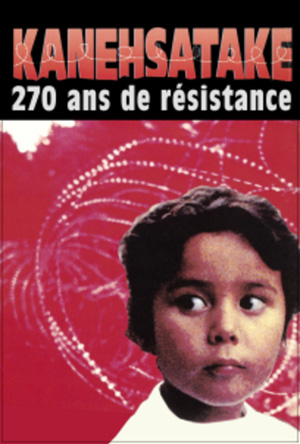
Kanehsatake – 270 Years of Resistance
Alanis Obomsawin
In July 1990, a dispute over a proposed golf course to be built on Kanien’kéhaka (Mohawk) lands in Oka, Quebec, set the stage for a historic confrontation that would grab international headlines and sear itself into the Canadian consciousness. Director Alanis Obomsawin—at times with a small crew, at times alone—spent 78 days behind Kanien’kéhaka lines filming the armed standoff between protestors, the Quebec police and the Canadian army. Released in 1993, this landmark documentary has been seen around the world, winning over a dozen international awards and making history at the Toronto International Film Festival, where it became the first documentary ever to win the Best Canadian Feature award. Jesse Wente, Director of Canada’s Indigenous Screen Office, has called it a “watershed film in the history of First Peoples cinema.”
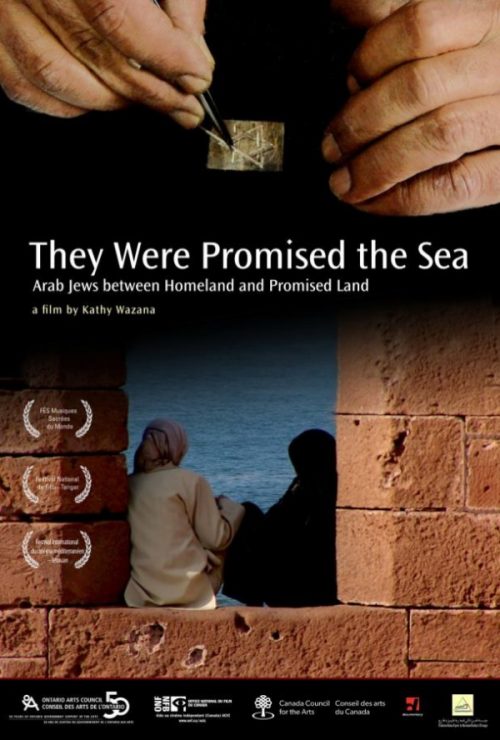
They Were Promised the Sea
Kathy Wazana
A lyrical, musical, polemical road movie, this film is an intimate journey shot in Morocco, Israel-Palestine, and New York. Kathy Wazana’s research into her family origins in Morocco unleashed a complex web of questions about dual identity, political opportunism, and the challenges faced by those torn between Homeland and Promised Land. Wazana gives us unique access to a cast of characters that includes a Jewish advisor to the King of Morocco, the director of the only Jewish museum in the Arab world.
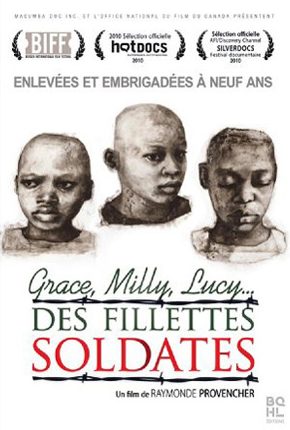
Grace, Milly, Lucy… Des fillettes soldates
Raymonde Provencher
En 20 ans, plus de 30 000 enfants ougandais ont été enlevés par des troupes rebelles pour participer à la lutte armée. Parmi ces enfants soldats, un grand nombre de filles. Grace, Milly Lucy… des fillettes soldates raconte cette réalité méconnue. Mêlant témoignages et scènes de la vie quotidienne, ce documentaire fait resurgir les échos étouffés d’un passé douloureux et ose croire en un avenir meilleur pour ces femmes unies dans une même lutte.
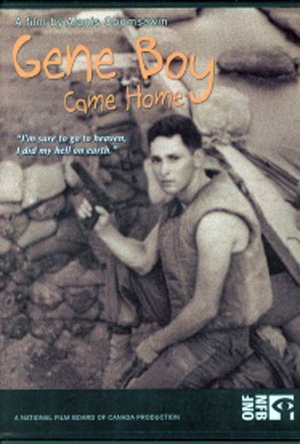
Gene Boy Came Home
Alanis Obomsawin
This short documentary by celebrated filmmaker Alanis Obomsawin is a portrait of Eugene “Gene Boy” (pronounced Genie Boy) Benedict, from Odanak Indian Reserve (near Montreal, Quebec). At 17, he enlisted in the US Marines and was sent to the frontlines of the Vietnam War. This film is the account of his 2 years of service and his long journey back to Odanak afterwards.
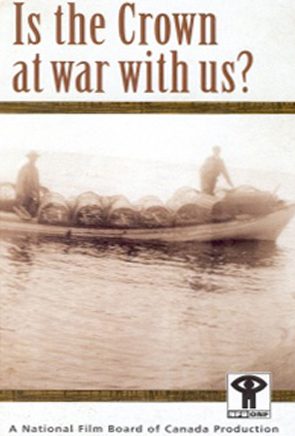
Is The Crown At War With Us?
Alanis Obomsawin
A closer look at the conflict between the Mi’gmaq and their non-Aboriginal neighbors over fishing rights in Burnt Church, New Brunswick. In this feature-length documentary by Alanis Obomsawin, it’s the summer of 2000 and the country watches in disbelief as federal fisheries wage war on the Mi’kmaq fishermen of Burnt Church, New Brunswick. Why would officials of the Canadian government attack citizens for exercising rights that had been affirmed by the highest court in the land? Casting her cinematic and intellectual nets into history to provide context, Obomsawin delineates the complex roots of the conflict with passion and clarity, building a persuasive defence of the Mi’kmaq position.